Updated 2026-10-11 · Originally published 2026-03-29
Hashimoto’s disease is an autoimmune process that can damage the thyroid and lead to hypothyroidism, but the two terms describe different findings. Some people have thyroid antibodies before hormone production becomes inadequate. Medical assessment and appropriate laboratory interpretation establish current function and treatment needs; supportive nutrition or lifestyle discussion does not replace hormone replacement when it is necessary.
Evidence note: The original educational article below is preserved. Added guidance distinguishes established diagnostic methods from hypotheses and test limitations; original claims are not proof that a diet, infection panel or supplement causes or reverses thyroid disease.
Before we dive into Hashimoto’s, let’s just make sure you understand the thyroid gland and what it’s all about.
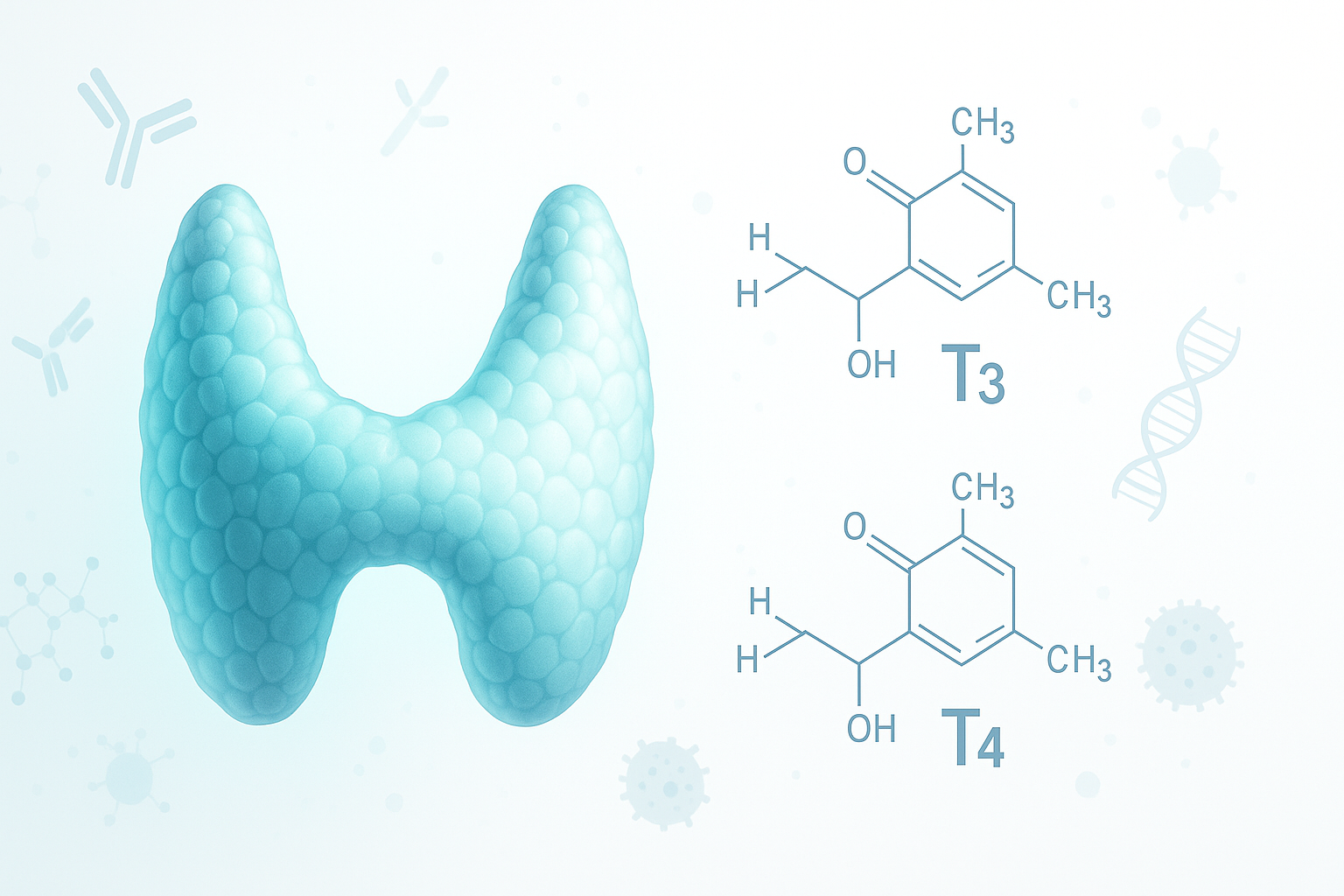
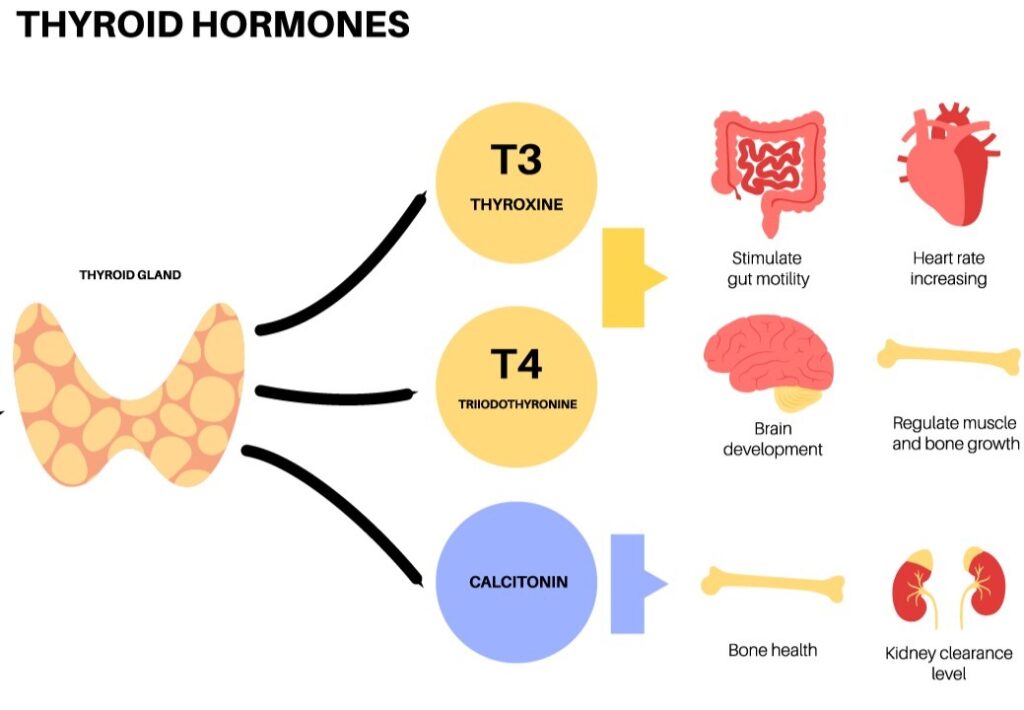
Your thyroid is the master regulator of your metabolism. It is a small, butterfly-shaped organ at the base of your neck and it takes iodine from your diet and converts it into thyroid hormones: T4, T3 and calcitonin.
These hormones are then secreted into your bloodstream, where they travel to every single cell in your body. Think of theT4/T3 hormones as the "spark plugs" for your cells. They tell your heart how fast to beat, your intestines how fast to digest food, and your brain how quickly to process thoughts.
If you have been diagnosed with Hashimoto’s thyroiditis, quite simply you are living with an autoimmune condition where your own immune system is attacking your own thyroid gland.
The next question is always……BUT WHY WOULD MY BODY DO THAT?
That’s a great question and the reason why you’re reading this - to get a better understanding of the cause of Hashimoto’s because once you know the cause, you can make changes to address that cause and RECLAIM YOUR POWER TO HEAL IT.
Let’s start here -
To understand Hashimoto’s, you have to look at your immune system NOT as a failing system, but as one that is “over-reacting."
In a standard environment, your immune system identifies and attacks external threats like viruses or bacteria in a tempered, measured manner. Think of your immune system like the U.S. Armed Forces. If there are a couple of rogue drug-running boats bringing illegal drugs and people up from South America, the Coast Guard will be called upon to deal with these couple of boats in a measured manner and…..problem solved.
But what if instead, the President of the U.S. declared war on these 2 boats, sending in the Marines, Army and Navy and then bombing these 2 boats and all boats looking like them along the shore, killing our own soldiers and US citizens at the same time?
That is an extreme over-reaction….and exactly how you should think about your Hashimoto’s!
You see, your immune system is overreacting to something else going on in the body and as a result, has misidentified your thyroid gland——as a foreign invader as well. In Hashimoto’s, because your thyroid is under constant attack from your over-reacting immune system, it begins to struggle to do its job.
This is Hashimoto’s hypothyroidism.
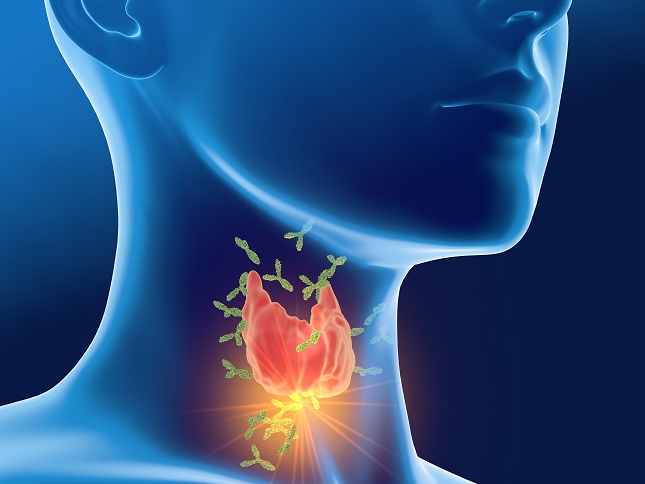
There is a cellular battle taking place in your neck. As healthy thyroid tissue is replaced by scar tissue during this process, the gland starts losing its ability to manufacture hormones and your "fuel levels" begin to drop.
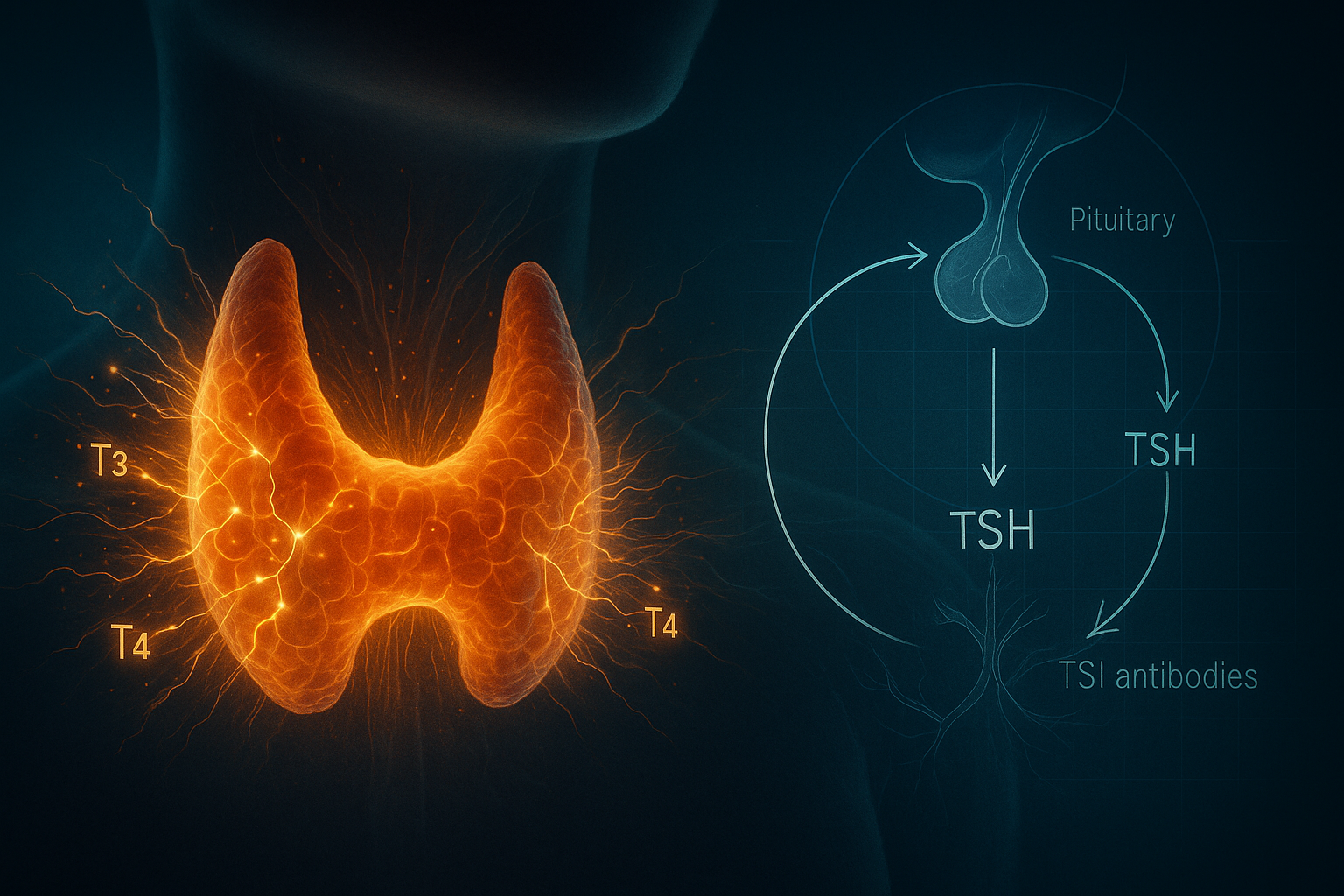
While this is happening in your neck, your brain is watching closely. Your pituitary gland senses that your hormone levels are dropping. It responds by pumping out massive amounts of TSH (Thyroid Stimulating Hormone). When you look at your lab results and see a high TSH, you are seeing your brain "screaming" at your thyroid to work harder……and your Doctor sees a prescription for thyroid medication in your immediate future (levothyroxine, synthroid, armour thyroid, NP thyroid, etc.).
The tragedy of Hashimoto's is this -
Your Doctor (your primary or your endocrinologist) tells you that you need to get on this medication and mentions nothing (and I mean ZERO) about what’s actually causing the problem. Then for years, you might be on this medication that is “masking” the problem but not addressing it. During that time, the thyroid becomes so damaged by these unrelenting antibodies (thyroid medications do nothing to stop your immune system from attacking your own thyroid gland) that it loses its ability to every properly work again
The communication between the brain and thyroid is lost….forever.
- Sometimes this manifests as small scar tissue nodules in the thyroid.
- Sometimes this manifests as the entire thyroid gland swelling (goiter).
- Sometimes this manifests as thyroid cancer.
And in almost all of these cases, this could have been avoided.
HOW?
To do this, you must know the “WHY”......why does your immune system do this?
Remember, this all started when your immune system over-reacted to some mild problem (remember my bombing of drug boats example from earlier). Well there are multiple reasons why your immune system might over-react:
- Leaky gut due to gluten or dairy sensitivities
- Unhealthy microbiome due to several different factors including (stress, toxins, poor diet)
- Other food sensitivities to soy, coffee, alcohol and processed foods
- Consuming too many raw goitrogenic vegetables
- Nutrient deficiencies common in the U.S. including iodine, iron, ferritin, vitamin D, B12, selenium, zinc, magnesium, and thiamine (B1)
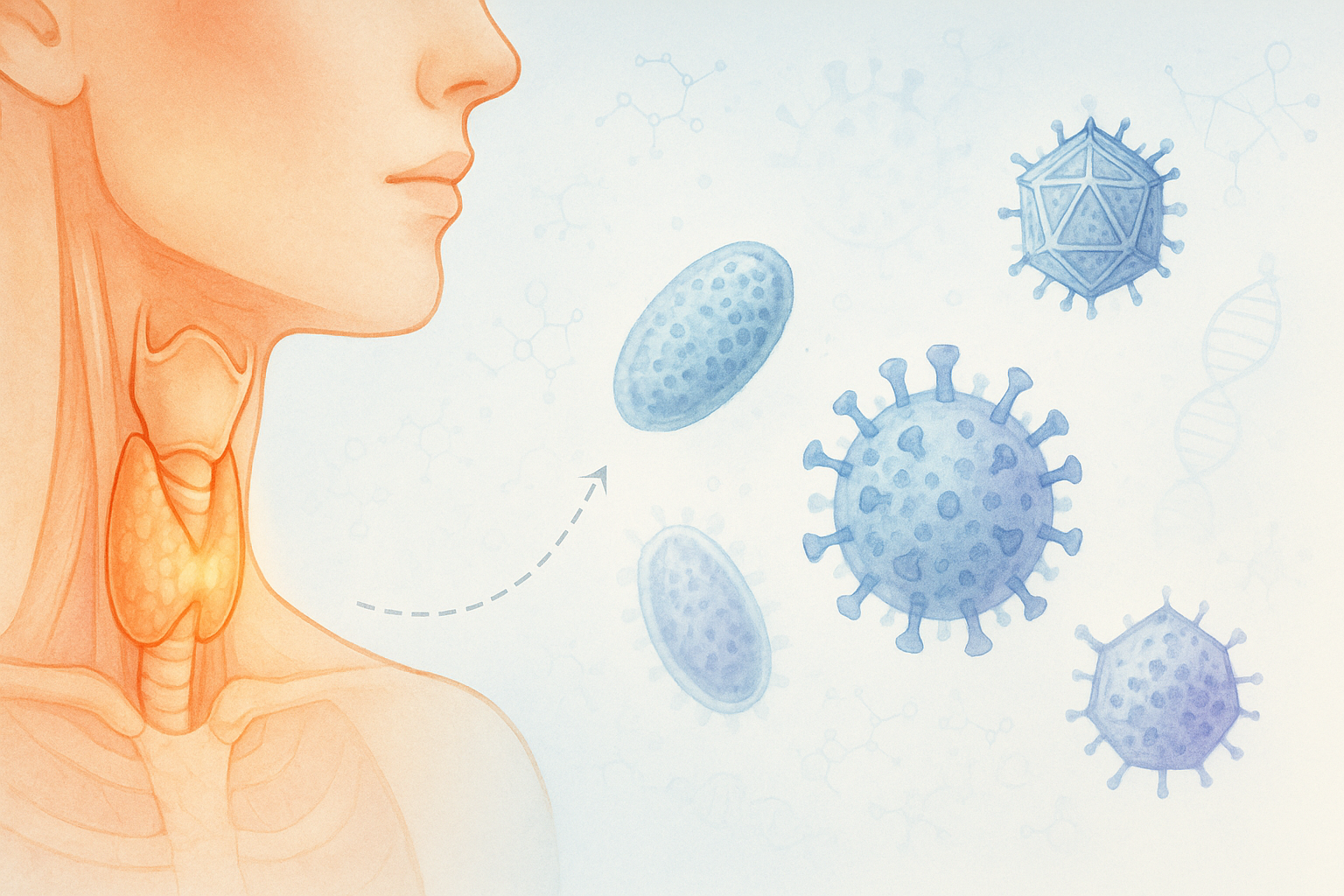
- Viral infections that the immune system has a hard time dealing with
- Hormonal imbalances leading to estrogen dominance
And that’s where I come in.
To reclaim your thyroid gland and your overall health - you’ve got to figure which of these things are causing your Hashimoto’s….
- This requires comprehensive testing that insurance doesn’t want to pay for
- This requires an understanding of the testing and how to address these imbalances from a natural, diet & lifestyle perspective
- And finally, and this is important, this requires working with a Doctor who is not interested in masking the problem with a drug (levothyroxine, synthroid, armour thyroid, NP thyroid) because that’s what the insurance company says or what they’ll pay for.
So here’s what you do:
I offer a free, 15-30 minute phone call consultation (a Discovery Call) to determine if you're a good fit for my office and to have any of your questions answered. From there we can discuss what tests you need (that your Doctor has ignored) and get some answers. Click here to take advantage of this offer - schedule that free call and start your journey to finally fixing your issue.
Don't suffer with thyroid problems / Hashimoto’s any longer. Let's find out what’s causing your Hashimoto’s, and stop masking the problem - let's finally solve it!
TSH and free T4
TSH reflects the pituitary signal to the thyroid; free T4 helps assess circulating hormone. A clinician interprets the pair with symptoms, medication, pregnancy status and relevant history. Results after acute illness or a recent medication change may need different interpretation.
T3, antibodies and reverse T3
T3 is often more helpful in evaluating hyperthyroidism than diagnosing hypothyroidism. TPO or thyroglobulin antibodies may support evaluation of autoimmune thyroid disease; TSH-receptor antibodies address different questions. Reverse T3 is not routinely useful for diagnosing hypothyroidism or guiding replacement treatment in otherwise healthy outpatients. Availability does not establish clinical necessity.
Preparation and follow-up
Provide a complete medicine and supplement list, including biotin. Ask the ordering clinician whether fasting, dose timing or a temporary supplement pause is necessary for your specific test. Do not independently stop medication. Discuss what each proposed test would change, costs and who will explain the results.
What does Hashimoto’s mean?
The immune system targets thyroid tissue. Some people have antibodies while their hormone levels remain in range; others develop hypothyroidism. The words Hashimoto’s and hypothyroidism are therefore related but not interchangeable. Understanding which finding is present helps patients have a clearer discussion about monitoring, medication and other possible explanations for symptoms.
Which tests answer which questions?
TSH and free T4 help assess thyroid function. Thyroid peroxidase antibodies, and sometimes thyroglobulin antibodies, can support assessment of an autoimmune cause. An antibody number is not a symptom score or a target that everyone should try to lower with supplements. Ultrasound is considered when examination or other findings suggest a structural issue, not automatically for every person with antibodies.
What can supportive care include?
Reviewing sleep, nutrition, medications, digestive symptoms and documented deficiencies can make care more comprehensive. Supportive care does not replace thyroid hormone when it is medically necessary. Wilmington Functional Medicine can discuss whether its assessment approach fits your concerns; prescribing decisions and specialist treatment remain with the appropriate licensed medical professional.
How do you avoid confusing association with cause?
Two health findings can occur together without one proving the cause of the other. For example, an antibody result, a history of an infection and persistent fatigue may all be genuine findings, but the combination does not establish that the infection caused autoimmune thyroid disease or that treating an unrelated laboratory marker will improve thyroid function. Ask what evidence supports the explanation, whether there are alternative explanations and which part of the proposed plan has demonstrated benefit. It is reasonable for an assessment to contain uncertainty. A careful explanation distinguishes established thyroid disease from hypotheses about contributing factors and from general steps that support health. That distinction also prevents a supplement, diet or commercial test from being presented as a proven replacement for standard medical care.
What would an organized review look like?
An organized review starts by confirming the clinical question: an established thyroid diagnosis that needs monitoring, symptoms without a clear diagnosis, or a new structural finding such as a neck lump. Next, assemble existing results and identify gaps that matter for that question. Then discuss a limited set of next steps with a clinician qualified to order and interpret them. Agree on who will communicate the results, the expected follow-up interval and what symptoms require earlier contact. Record how symptoms are affecting daily life so follow-up has a meaningful reference point. This is a consultation-preparation framework, not a branded treatment protocol or a claim that one pathway fits every patient. It can help Wilmington, Leland, Hampstead and Jacksonville residents organize a conversation before deciding whether travel or another consultation is worthwhile.
Does autoimmune thyroid disease require an ultrasound every time?
Blood tests and ultrasound examine different aspects of the thyroid. The former can address function and an autoimmune explanation; the latter evaluates structure. Ask whether examination, a lump, swallowing symptoms or another finding is the reason imaging is being considered. Do not assume that a normal TSH rules out a nodule, or that a positive antibody test automatically requires imaging. If a structural concern is present, an appropriately trained medical clinician should determine the pathway. This site does not offer thyroid biopsy or surgery.
What should a long-term monitoring conversation cover?
Clarify the current diagnosis, whether hormone replacement is needed and who will monitor thyroid function. Discuss any major changes such as pregnancy plans, a new medicine or new neck symptoms that should be reported. Supportive nutrition and lifestyle work can have separate goals, but it should not replace this medical follow-up. Ask for a plan that distinguishes monitoring thyroid function from repeatedly measuring antibodies. Record the responsible clinician and the next review point so recommendations from multiple practitioners do not leave an important task unassigned.
Autoimmunity and thyroid function are different questions
| Finding | What it describes | What it does not establish |
|---|---|---|
| Thyroid antibodies | An autoimmune explanation in clinical context | The current degree of hormone deficiency |
| TSH with appropriate free T4 | Current thyroid function | Every cause of fatigue or a nodule’s structure |
| Symptoms | The reason to investigate and assess daily impact | A diagnosis by themselves |
Questions and answers
Does autoimmune thyroid disease require an ultrasound every time?
Blood tests and ultrasound examine different aspects of the thyroid. The former can address function and an autoimmune explanation; the latter evaluates structure. Ask whether examination, a lump, swallowing symptoms or another finding is the reason imaging is being considered. Do not assume that a normal TSH rules out a nodule, or that a positive antibody test automatically requires imaging. If a structural concern is present, an appropriately trained medical clinician should determine the pathway. This site does not offer thyroid biopsy or surgery.
What should a long-term monitoring conversation cover?
Clarify the current diagnosis, whether hormone replacement is needed and who will monitor thyroid function. Discuss any major changes such as pregnancy plans, a new medicine or new neck symptoms that should be reported. Supportive nutrition and lifestyle work can have separate goals, but it should not replace this medical follow-up. Ask for a plan that distinguishes monitoring thyroid function from repeatedly measuring antibodies. Record the responsible clinician and the next review point so recommendations from multiple practitioners do not leave an important task unassigned.
Sources and further reading
- American Thyroid Association: Thyroid hormone treatment
- American Thyroid Association: Hashimoto’s thyroiditis
- NIDDK: Thyroid tests
- American Thyroid Association: Thyroid function tests
- NIDDK: Hashimoto’s disease
- NIDDK: Graves’ disease
- American Thyroid Association: Thyroid nodules
- Endocrine Society: Adrenal fatigue
- AAAAI: Limits of food IgG panel testing
- NIDDK: Diagnosis of celiac disease
- American Thyroid Association: Hypothyroidism during pregnancy
Educational information only, not medical advice, diagnosis or a treatment plan. Do not stop, start or change prescribed medication based on this resource. Pregnancy, children, significant heart symptoms and complex endocrine disease require appropriate medical care. Seek emergency help for chest pain, severe breathing difficulty, fainting, or high fever with confusion and a very fast heartbeat. A discovery call is not urgent medical care.