Thyroid testing that finally explains your symptoms

If you've been told your thyroid is "fine" but you still feel exhausted, foggy, and stuck — the problem isn't you. The problem is what wasn't tested. Here's exactly what we look at and why each category matters.

Thyroid Panel
Standard doctors test TSH and sometimes T4. That's like checking oil pressure but ignoring the engine. We run the full panel so we can see exactly where the hormone conversion process breaks down.

  • TSH
  • Free T3
  • Free T4
  • Reverse T3
  • Thyroid Peroxidase Antibodies (TPO)
  • Thyroglobulin Antibodies

Viral & Immune Markers
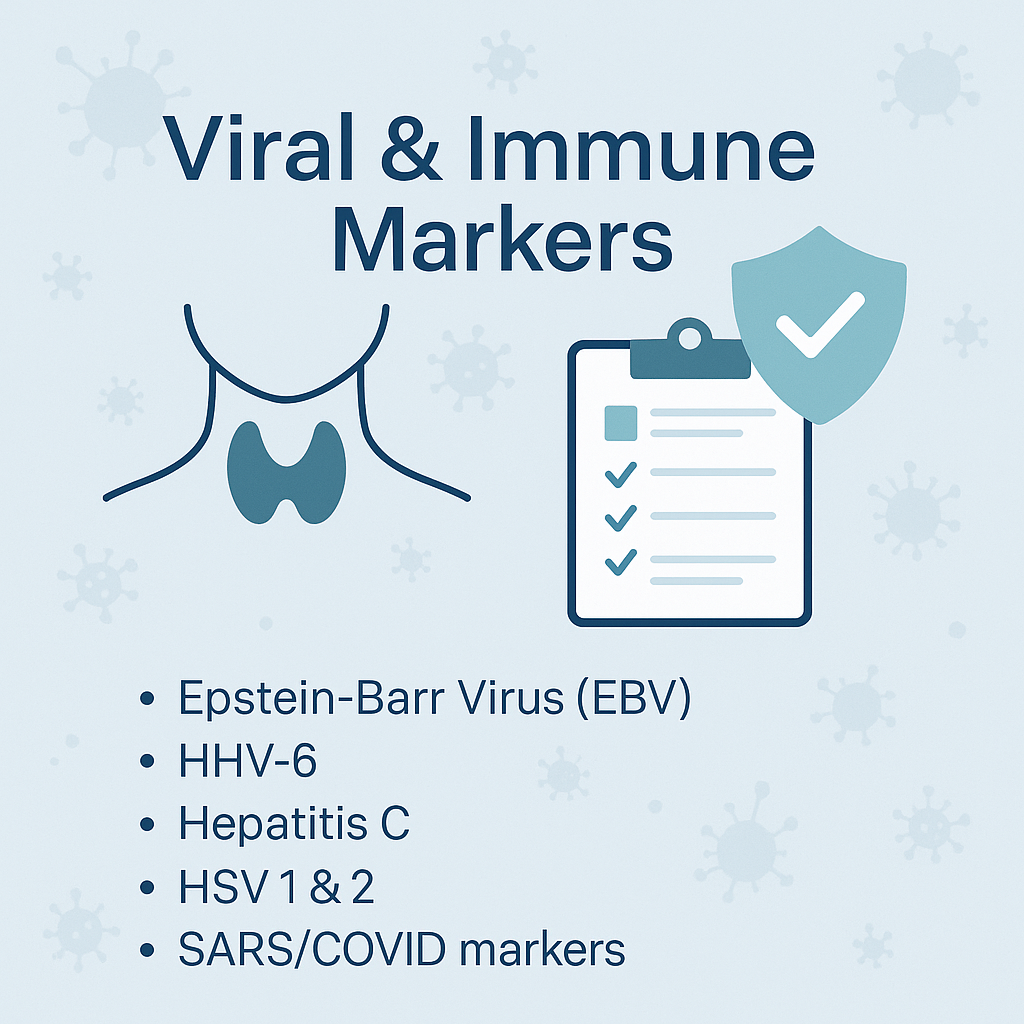
Several common viruses are known to trigger or worsen autoimmune thyroid conditions — especially Hashimoto's. Most patients have never been tested for any of these despite years of symptoms.

  • Epstein-Barr Virus (EBV)
  • HHV-6
  • Hepatitis C
  • HSV 1 & 2
  • SARS/COVID markers
  • Celiac antibodies (TTG-IgA, total IgA)

Nutrients & Co-Factors
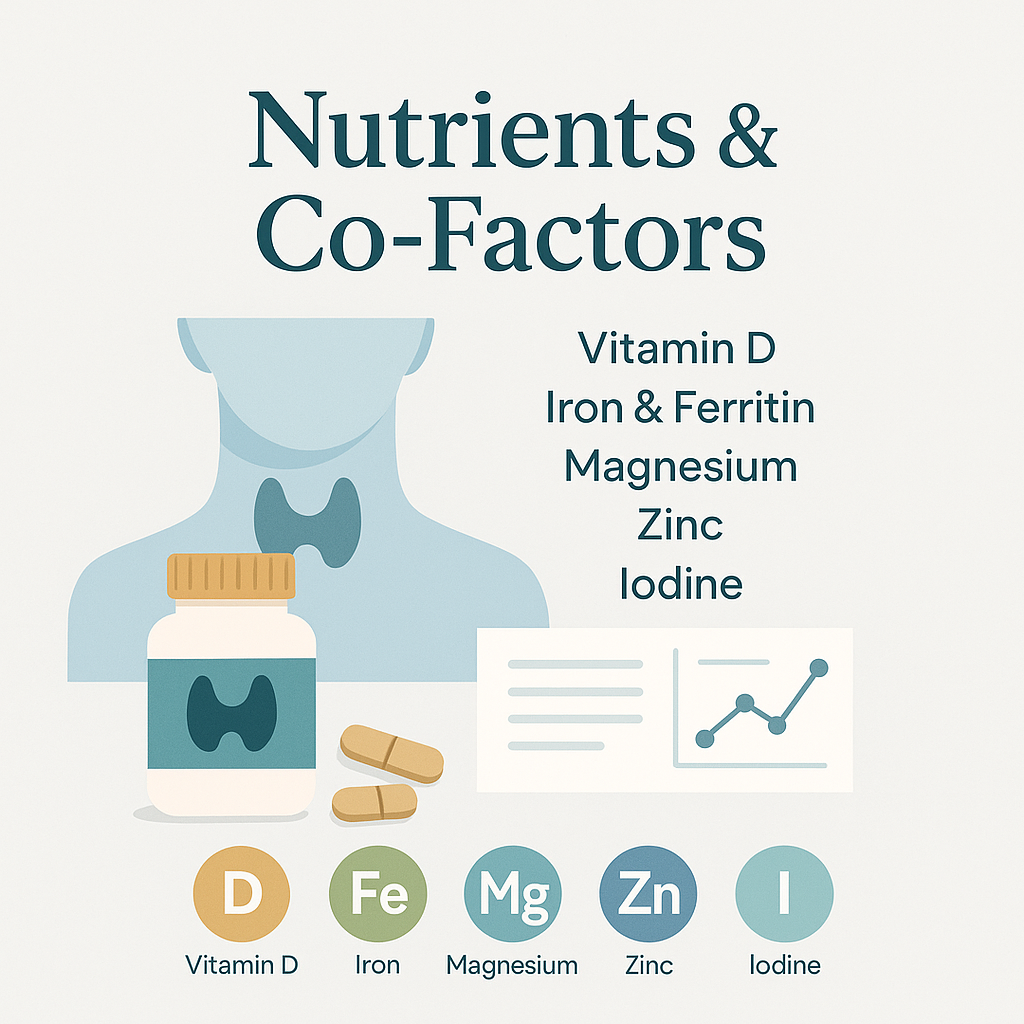
Thyroid hormone cannot function properly without adequate levels of several key nutrients. Deficiencies here can make even well-dosed thyroid medication ineffective.

  • Vitamin D
  • Iron & Ferritin
  • Magnesium
  • Zinc
  • Iodine

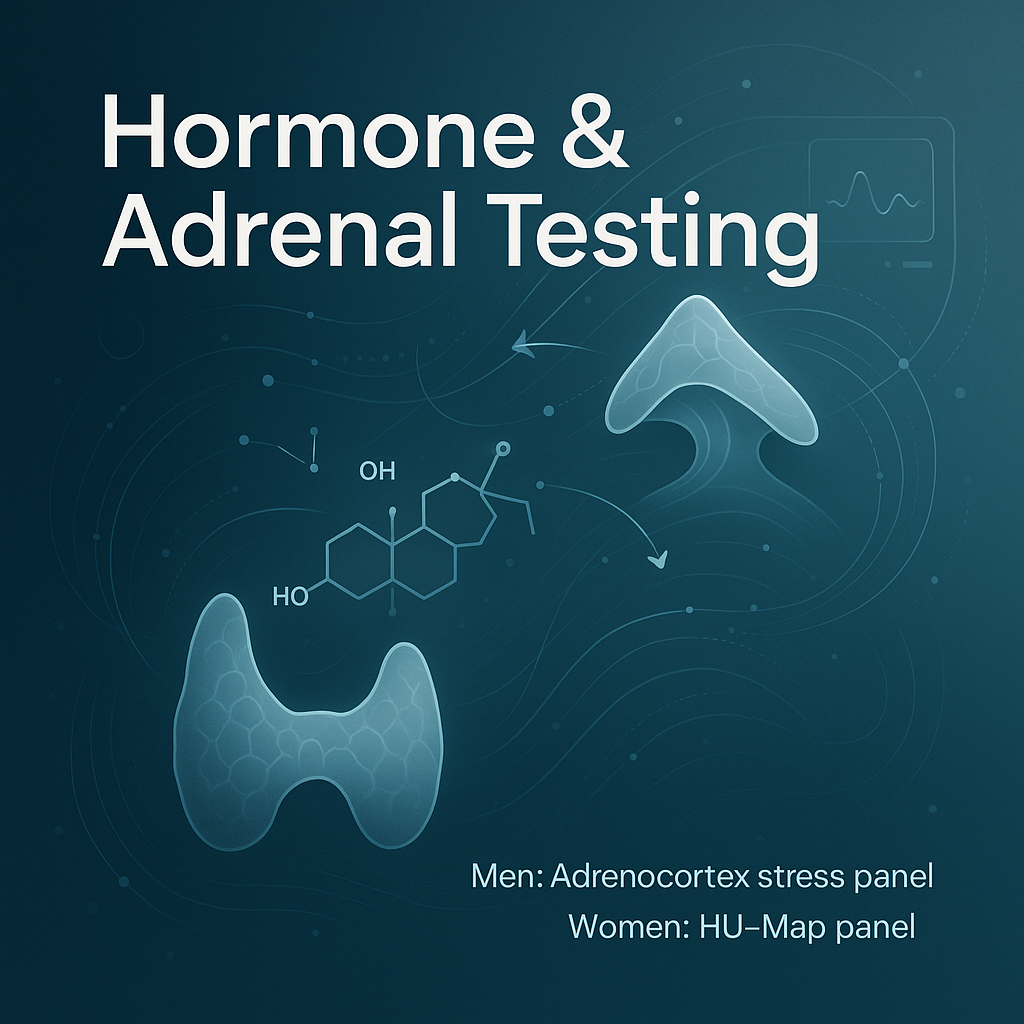
Hormone & Adrenal Testing

The adrenal glands and thyroid are deeply connected — chronic stress depletes cortisol, which directly impairs thyroid hormone conversion and cell sensitivity. We run gender-specific testing because hormone patterns differ significantly between men and women.

  • Men: Adrenocortex stress panel (cortisol rhythm, DHEA)
  • Women: HU-Map panel (full hormone mapping including estrogen dominance vs. estrogen decline, progesterone, cortisol, DHEA)

 Food Sensitivity Testing
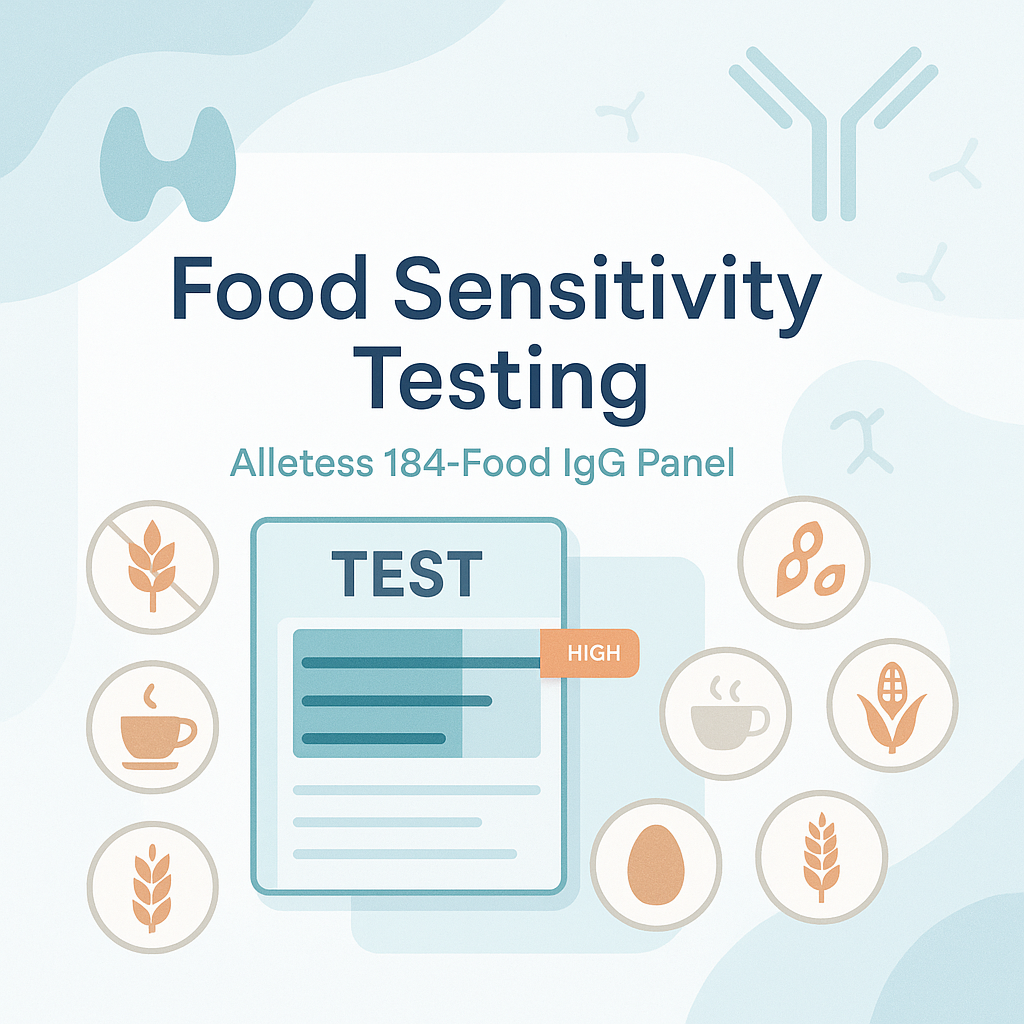
Gluten, dairy, soy, and coffee are among the most common dietary triggers for thyroid inflammation and autoimmune activity — but individual sensitivities vary widely. We use the Alletess 184-food IgG panel to identify your specific reactive foods.

  • Alletess 184-Food IgG Panel
  • Includes: gluten, dairy, soy, coffee, eggs, corn, and 178 additional foods
  • Results used to guide your elimination and healing protocol

Stool & Gut Health Testing
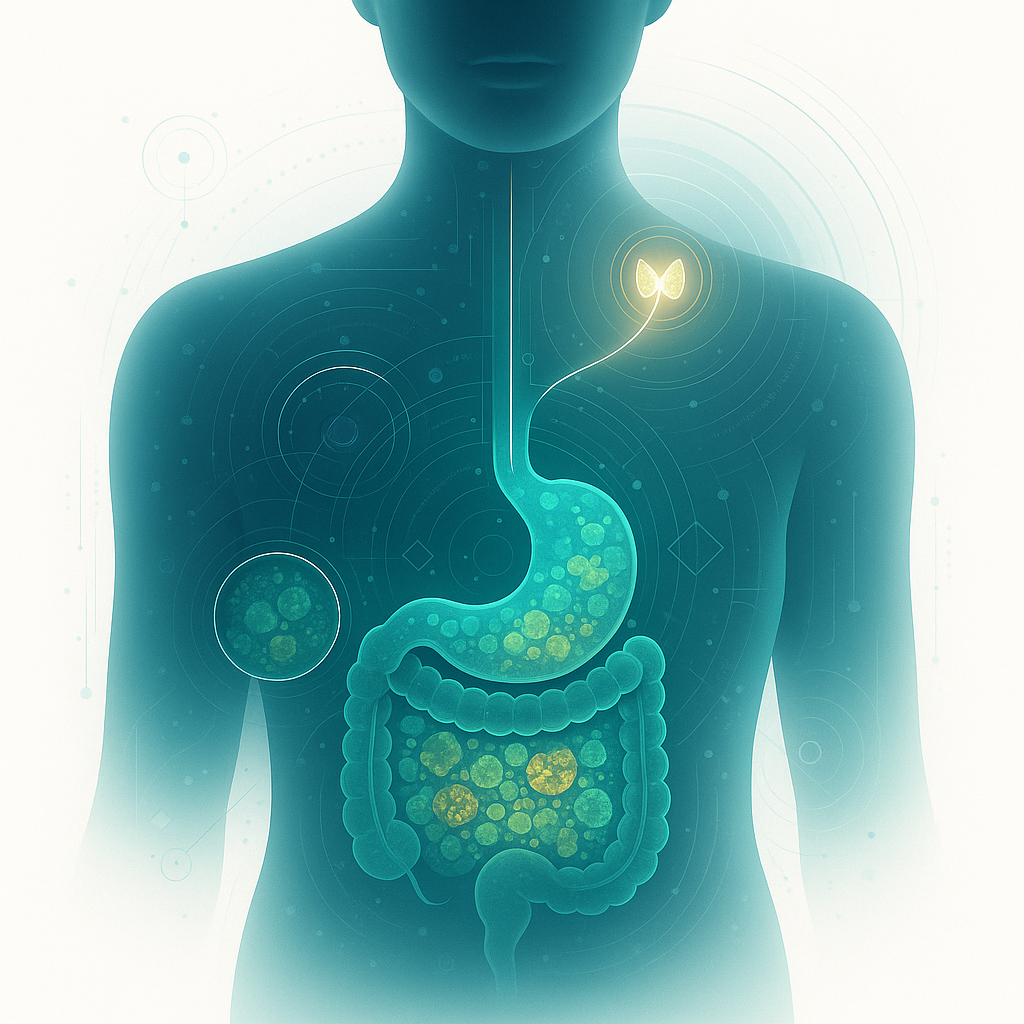
Intestinal permeability (leaky gut) is a core driver of autoimmune thyroid disease. The gut is also where much of T4-to-T3 conversion happens. A healthy microbiome is not optional for thyroid patients — it's essential.

  • Leaky gut markers
  • Full microbiome analysis
  • Pathogenic bacterial, parasitic, and fungal infections
  • Inflammation markers

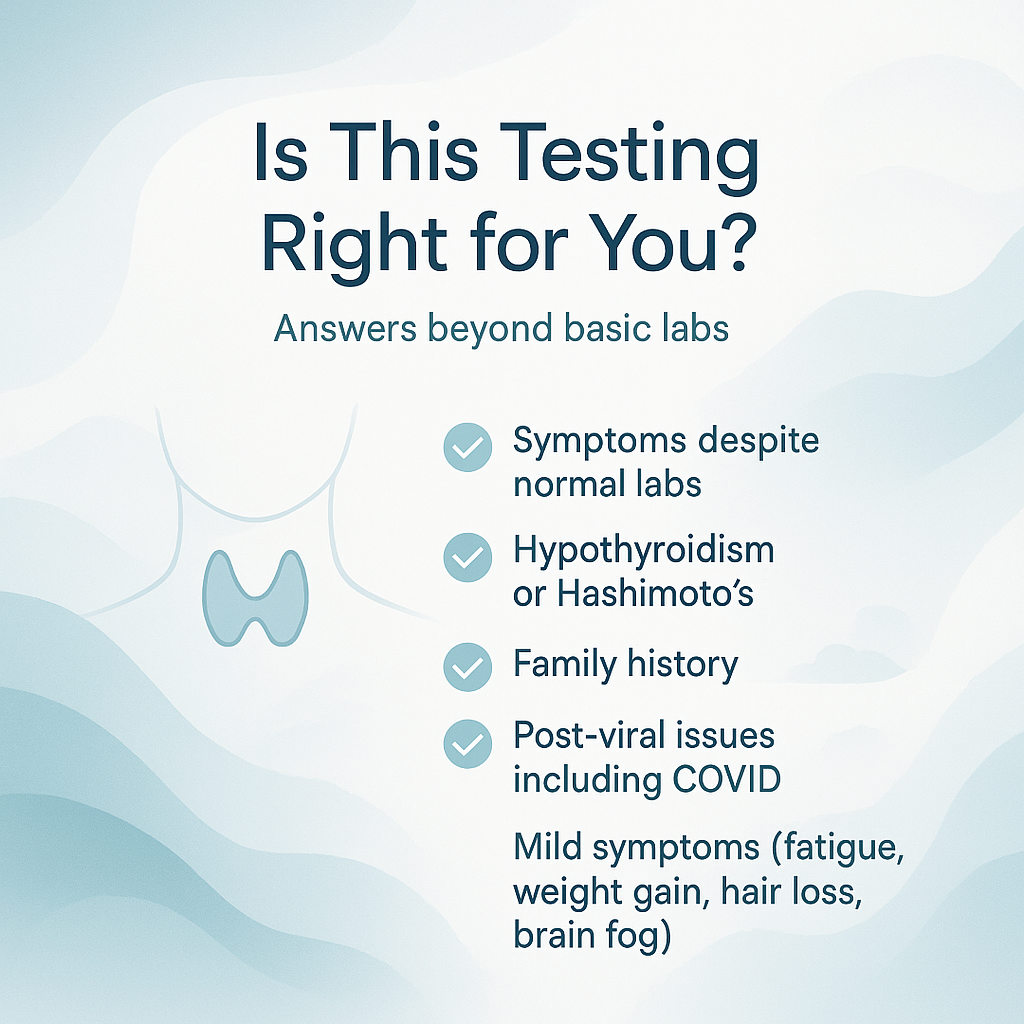
Is This Testing Right for You?

This is for you if:

  • ✅ You've been told your labs are normal but you still feel terrible
  • ✅ You've been diagnosed with hypothyroidism or Hashimoto's but medication isn't helping enough
  • ✅ You have a family history of thyroid disease
  • ✅ You've had a virus (including COVID) and haven't felt right since
  • ✅ You're dealing with fatigue, weight gain, hair loss, or brain fog with no clear cause
  • ✅ You want answers, not just more medications

Part of Wilmington Functional Medicine in Wilmington, NC. (910) 444-9438.

How testing works

Use the discovery call to ask about consultation fit and the practice process. Before agreeing to a test, discuss the clinical question, specimen instructions, costs, limitations and who will interpret the results. Follow the ordering clinician’s preparation instructions and keep records for the approved secure intake process. Thyroid medication and specialist care remain with the appropriate licensed medical professionals.

Choosing patient-appropriate tests

  • Thyroid Panel — Thyroid testing should distinguish function from cause. TSH and free T4 are commonly central to assessment; T3 and thyroid antibodies may answer additional questions in selected situations. The right panel is based on the clinical question, not the largest available list.
  • Adrenal & Hormone Testing — Cortisol, DHEA and sex-hormone tests can be considered for specific clinical questions. Fatigue alone does not establish an adrenal disorder. Adrenal fatigue is not a scientifically established diagnosis, and a commercial saliva panel does not validate that label.
  • Gut Health Testing — Digestive symptoms can merit evaluation alongside thyroid concerns. Selected stool testing, celiac assessment or other medical testing may answer specific questions. A microbiome profile does not by itself identify the cause of thyroid disease or establish a personalized cure.
  • Food Sensitivity Testing — Food reactions require careful distinction between allergy, intolerance and other symptoms. Food IgG panels do not diagnose food allergy and are not validated to diagnose food intolerance or sensitivity. AAAAI recommends against using them for these purposes; an offered test should be discussed transparently, including these limitations.

What different tests can and cannot answer

Clinical questionPossible starting pointImportant limitation
Is thyroid function abnormal?TSH, with free T4 as appropriateInterpretation depends on context, medicines and pregnancy.
Is autoimmunity involved?Selected thyroid antibody testsPositive antibodies do not establish the degree of hormone deficiency.
Is there a structural lump?Examination and ultrasound, with specialist assessmentNormal hormone tests do not exclude an important nodule.
Does a food cause allergy?Reaction history and appropriately selected allergist testingA food IgG panel cannot diagnose or exclude allergy.
Are stress symptoms an adrenal disease?Medical history and validated testing when indicated“Adrenal fatigue” is not an established diagnosis.

Sources and further reading

Educational information only, not medical advice, diagnosis or a treatment plan. Do not stop, start or change prescribed medication based on this resource. Pregnancy, children, significant heart symptoms and complex endocrine disease require appropriate medical care. Seek emergency help for chest pain, severe breathing difficulty, fainting, or high fever with confusion and a very fast heartbeat. A discovery call is not urgent medical care.