Updated 2026-10-11 · Originally published 2026-02-01
Hashimoto’s disease is an autoimmune thyroid condition; symptoms alone cannot establish whether it explains your concerns. Assessment considers thyroid function, selected antibodies and the clinical history. A positive antibody result is not the same as current hormone deficiency. Ask your medical clinician what the results establish, whether treatment or monitoring is indicated and what other explanations for symptoms remain possible.
Evidence note: The original educational article below is preserved. Added guidance distinguishes established diagnostic methods from hypotheses and test limitations; original claims are not proof that a diet, infection panel or supplement causes or reverses thyroid disease.
Hashimoto's thyroiditis is the most common cause of hypothyroidism in the United States — and one of the most commonly missed. Millions of people are walking around with Hashimoto's who have no idea they have it, because standard thyroid panels don't include the antibody tests needed to diagnose it.
If you've been told your thyroid is "normal" but you're still exhausted, gaining weight, losing hair, or struggling with brain fog — Hashimoto's may be exactly what you and your doctor have been missing.
What Is Hashimoto's?
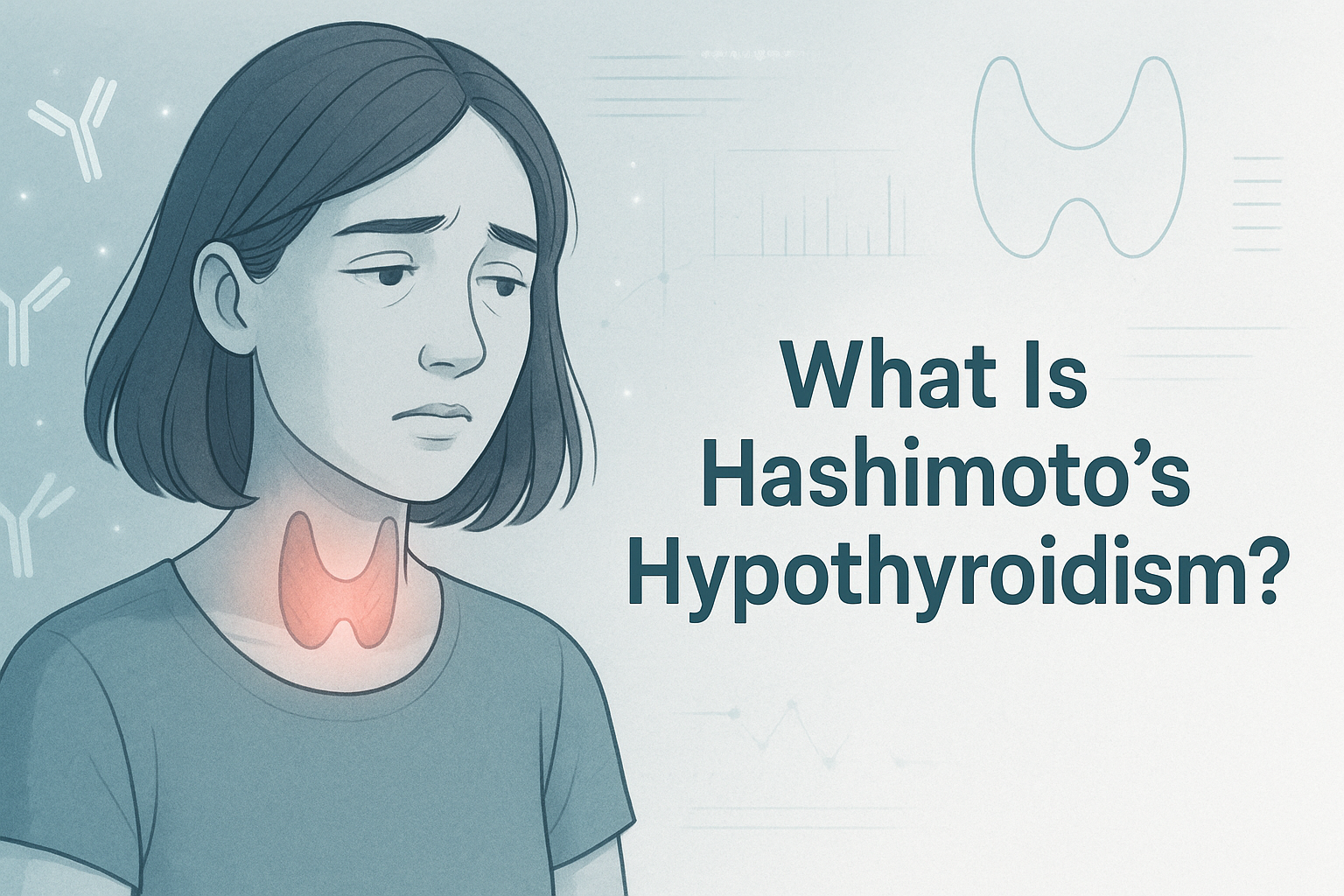
Hashimoto's thyroiditis is an autoimmune condition in which your own immune system mistakenly attacks the thyroid gland. Over time, this immune assault damages thyroid tissue and gradually reduces the gland's ability to produce thyroid hormone — leading to hypothyroidism.
The disease was first described by Japanese physician Hakaru Hashimoto in 1912, but it remains widely underdiagnosed over a century later. It affects approximately 14 million Americans and is 7–10 times more common in women than in men.
What Causes Hashimoto's?
Hashimoto's is not caused by a single factor. It develops through a combination of:
- Genetic predisposition — Family history of thyroid or autoimmune disease significantly increases risk
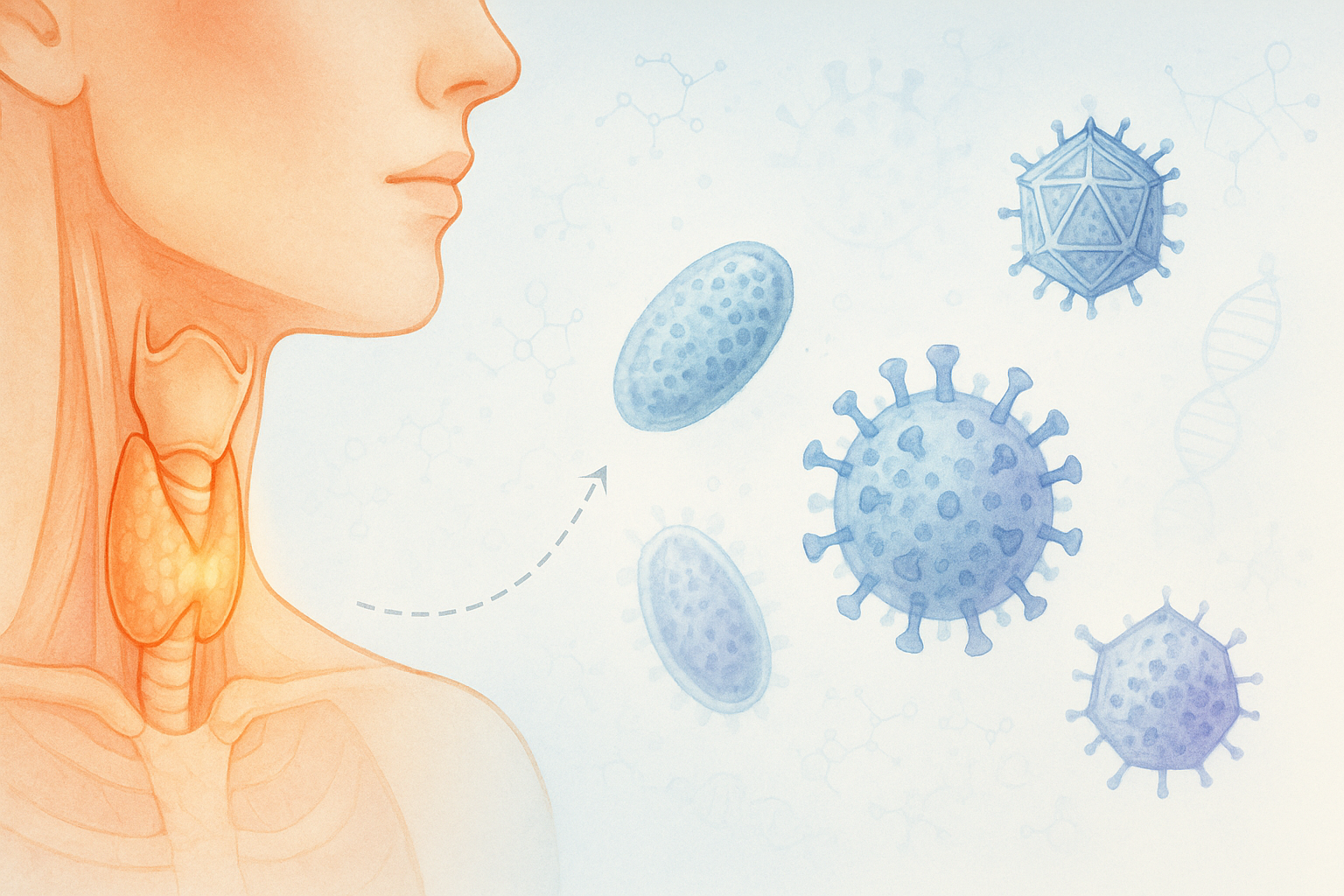
- Viral triggers — Epstein-Barr virus (EBV), HHV-6, and other viral infections have been linked to triggering autoimmune thyroid activity
- Intestinal permeability (leaky gut) — A damaged gut lining allows molecules to enter the bloodstream that can confuse the immune system and promote autoimmune responses
- Dietary factors — Gluten sensitivity and dairy intolerance are among the most common contributors in susceptible individuals
- Hormonal shifts — The condition often emerges or worsens during pregnancy, postpartum, perimenopause, and other periods of hormonal change
- Nutrient deficiencies — Low levels of selenium, zinc, vitamin D, and iodine all affect immune regulation and thyroid function
What Are the Symptoms of Hashimoto's?
Hashimoto's symptoms mirror those of hypothyroidism generally, but may fluctuate more — since early in the disease, the damaged thyroid can dump hormone into the bloodstream, causing brief periods of hyperthyroid-like symptoms before the more chronic hypothyroid pattern sets in.
Common symptoms include:
- Persistent fatigue, even with adequate sleep
- Unexplained weight gain or difficulty losing weight
- Hair thinning or loss
- Brain fog, poor concentration, memory problems
- Depression or mood changes
- Cold sensitivity
- Constipation
- Dry skin
- Puffy face, especially around the eyes
- Slow heart rate
- Muscle weakness or aching
Why Is Hashimoto's So Often Missed?
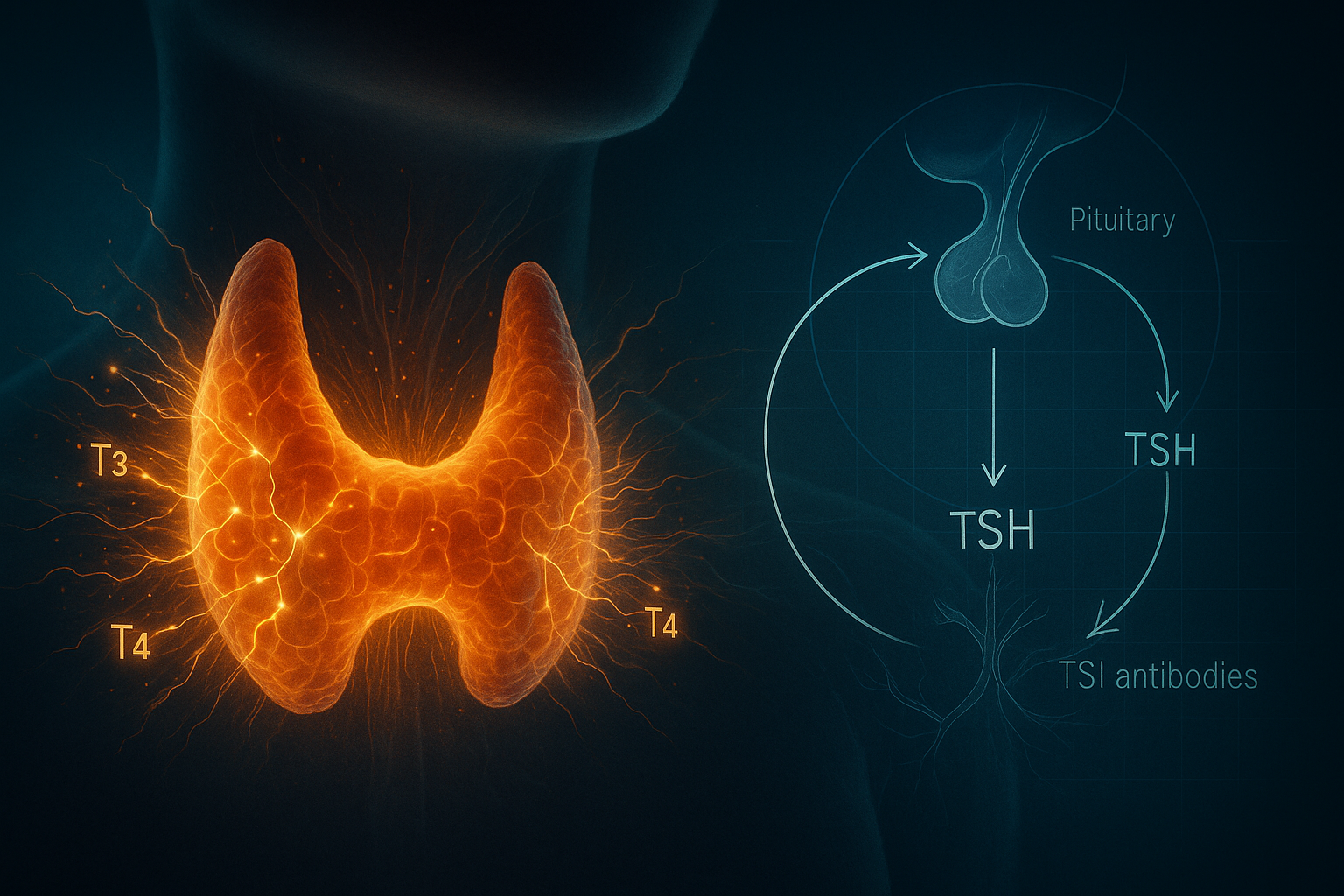
The answer comes down to what your doctor tests. Standard thyroid panels typically only include TSH — thyroid-stimulating hormone, which is produced by the pituitary gland, not the thyroid itself. TSH can remain in the normal range for years while Hashimoto's antibodies are actively attacking the thyroid.
A proper Hashimoto's workup requires testing for:
- Thyroid Peroxidase Antibodies (TPO-Ab) — elevated in the majority of Hashimoto's patients
- Thyroglobulin Antibodies (TgAb) — elevated in a significant subset
- Free T3 and Free T4 — to assess actual hormone levels
- Reverse T3 — to detect impaired conversion
Without these markers, a diagnosis simply cannot be made — and many patients spend years on antidepressants or being told they're "just stressed" while an autoimmune process continues unchecked.
How Is Hashimoto's Treated?
Hashimoto's requires addressing both the hormone deficiency and the underlying immune dysfunction. Treatment typically involves:
- Thyroid hormone replacement (levothyroxine, desiccated thyroid, or combination T4/T3 therapy) when hormone levels are low
- Identifying and removing dietary triggers (most commonly gluten and dairy)
- Addressing gut health and intestinal permeability
- Testing for and treating viral triggers where relevant
- Supporting nutrient deficiencies (selenium, vitamin D, zinc, and others)
- Adrenal support when cortisol dysregulation is contributing
The goal isn't just to normalize TSH. It's to reduce antibody levels, calm the autoimmune response, and restore how you feel.
Getting Properly Tested
If you recognize yourself in these symptoms and you haven't had a complete antibody panel, you haven't had a complete thyroid workup. At Whole Family Medicine, our comprehensive testing protocol covers all the markers needed to accurately diagnose and understand Hashimoto's — including virals, gut health, food sensitivities, and nutrients.
TSH and free T4
TSH reflects the pituitary signal to the thyroid; free T4 helps assess circulating hormone. A clinician interprets the pair with symptoms, medication, pregnancy status and relevant history. Results after acute illness or a recent medication change may need different interpretation.
T3, antibodies and reverse T3
T3 is often more helpful in evaluating hyperthyroidism than diagnosing hypothyroidism. TPO or thyroglobulin antibodies may support evaluation of autoimmune thyroid disease; TSH-receptor antibodies address different questions. Reverse T3 is not routinely useful for diagnosing hypothyroidism or guiding replacement treatment in otherwise healthy outpatients. Availability does not establish clinical necessity.
Preparation and follow-up
Provide a complete medicine and supplement list, including biotin. Ask the ordering clinician whether fasting, dose timing or a temporary supplement pause is necessary for your specific test. Do not independently stop medication. Discuss what each proposed test would change, costs and who will explain the results.
What does Hashimoto’s mean?
The immune system targets thyroid tissue. Some people have antibodies while their hormone levels remain in range; others develop hypothyroidism. The words Hashimoto’s and hypothyroidism are therefore related but not interchangeable. Understanding which finding is present helps patients have a clearer discussion about monitoring, medication and other possible explanations for symptoms.
Which tests answer which questions?
TSH and free T4 help assess thyroid function. Thyroid peroxidase antibodies, and sometimes thyroglobulin antibodies, can support assessment of an autoimmune cause. An antibody number is not a symptom score or a target that everyone should try to lower with supplements. Ultrasound is considered when examination or other findings suggest a structural issue, not automatically for every person with antibodies.
What can supportive care include?
Reviewing sleep, nutrition, medications, digestive symptoms and documented deficiencies can make care more comprehensive. Supportive care does not replace thyroid hormone when it is medically necessary. Wilmington Functional Medicine can discuss whether its assessment approach fits your concerns; prescribing decisions and specialist treatment remain with the appropriate licensed medical professional.
What if an antibody result is the only abnormal finding?
Bring the actual report and ask what it establishes in your circumstances. The presence of a thyroid antibody and the presence of thyroid hormone deficiency are not interchangeable findings. Clarify whether the plan is monitoring thyroid function, treating documented hypothyroidism or assessing symptoms that remain unexplained. Ask which result will guide follow-up and who is responsible for it. Do not assume that repeated antibody panels are the best way to measure whether you feel better or whether medication is working.
How can you compare two explanations for symptoms?
Ask each clinician to identify the evidence behind the explanation and the findings it does not explain. A good answer can acknowledge uncertainty. If one assessment attributes everything to Hashimoto’s while another finds thyroid function adequate, request a clear account of the actual test pattern and whether another cause deserves investigation. Keep medical follow-up in place while deciding whether supportive consultation is useful. The aim is not to choose the most persuasive label; it is to agree on an assessment and a safe next step.
Questions and answers
What if an antibody result is the only abnormal finding?
Bring the actual report and ask what it establishes in your circumstances. The presence of a thyroid antibody and the presence of thyroid hormone deficiency are not interchangeable findings. Clarify whether the plan is monitoring thyroid function, treating documented hypothyroidism or assessing symptoms that remain unexplained. Ask which result will guide follow-up and who is responsible for it. Do not assume that repeated antibody panels are the best way to measure whether you feel better or whether medication is working.
How can you compare two explanations for symptoms?
Ask each clinician to identify the evidence behind the explanation and the findings it does not explain. A good answer can acknowledge uncertainty. If one assessment attributes everything to Hashimoto’s while another finds thyroid function adequate, request a clear account of the actual test pattern and whether another cause deserves investigation. Keep medical follow-up in place while deciding whether supportive consultation is useful. The aim is not to choose the most persuasive label; it is to agree on an assessment and a safe next step.
Sources and further reading
- American Thyroid Association: Thyroid hormone treatment
- American Thyroid Association: Hashimoto’s thyroiditis
- NIDDK: Thyroid tests
- American Thyroid Association: Thyroid function tests
- NIDDK: Hashimoto’s disease
- NIDDK: Graves’ disease
- American Thyroid Association: Thyroid nodules
- Endocrine Society: Adrenal fatigue
- AAAAI: Limits of food IgG panel testing
- NIDDK: Diagnosis of celiac disease
- American Thyroid Association: Hypothyroidism during pregnancy
Educational information only, not medical advice, diagnosis or a treatment plan. Do not stop, start or change prescribed medication based on this resource. Pregnancy, children, significant heart symptoms and complex endocrine disease require appropriate medical care. Seek emergency help for chest pain, severe breathing difficulty, fainting, or high fever with confusion and a very fast heartbeat. A discovery call is not urgent medical care.