Updated 2026-10-11 · Originally published 2026-02-07
There is no single thyroid diet that fits every diagnosis or guarantees reversal of Hashimoto’s disease. Food choices should support adequate nutrition while accounting for genuine medical needs, allergy or celiac disease when present. Review restrictive plans and supplements with a qualified clinician or dietitian, and do not replace necessary thyroid medication with foods marketed as thyroid cures.
Evidence note: The original educational article below is preserved. Added guidance distinguishes established diagnostic methods from hypotheses and test limitations; original claims are not proof that a diet, infection panel or supplement causes or reverses thyroid disease.
Diet is one of the most powerful — and most overlooked — factors in thyroid health. What you eat can drive inflammation, trigger autoimmune activity, deplete critical nutrients, and interfere with medication absorption. For anyone with Hashimoto's, hypothyroidism, or undiagnosed thyroid symptoms, what's on your plate may be as important as anything your doctor prescribes.
The Gluten-Thyroid Connection
Gluten is the protein found in wheat, barley, and rye — and it has a well-documented relationship with autoimmune thyroid disease.
In genetically susceptible individuals, gluten triggers inflammation in the small intestine that can damage the gut lining and lead to intestinal permeability (leaky gut). When the gut lining is compromised, incompletely digested proteins can enter the bloodstream and trigger immune responses. Because gluten has a molecular structure similar to thyroid tissue, this immune response can misdirect itself toward the thyroid — a process called molecular mimicry.
Research has found that individuals with celiac disease have significantly higher rates of Hashimoto's and other autoimmune thyroid conditions. But you don't have to have full celiac disease to experience gluten-driven thyroid problems — non-celiac gluten sensitivity can produce the same inflammatory cascade.
For many Hashimoto's patients, a strict gluten elimination produces measurable reductions in thyroid antibodies within 3–6 months.
Dairy, Soy, and Other Common Triggers
Gluten tends to get the most attention, but it's not the only dietary issue for thyroid patients:
Dairy: Casein (the primary protein in dairy) can produce a similar inflammatory response to gluten in sensitive individuals. Dairy is also commonly cross-reactive with gluten — meaning the immune system that reacts to gluten may also react to dairy. Additionally, lactose intolerance can affect absorption of thyroid medication.
Soy: Soy contains goitrogenic compounds that can interfere with thyroid hormone production and iodine uptake, particularly in individuals with iodine deficiency. Soy can also interfere with thyroid medication absorption if consumed close to dosing time.
Coffee: Coffee itself isn't harmful to most people, but caffeine affects cortisol levels, and taking thyroid medication within an hour of coffee significantly reduces absorption. Some individuals also show immune reactivity to coffee on sensitivity panels.
Individual Food Sensitivities
Beyond these common triggers, individual food sensitivities are highly personal. Two people with identical diagnoses may have entirely different dietary drivers of their symptoms.
We use the Alletess 184-Food IgG Panel to identify each patient's specific reactive foods. The panel tests immune reactivity to 184 foods including grains, dairy, eggs, legumes, nuts, fruits, vegetables, meats, and more — giving a personalized map of dietary inflammation rather than a generic elimination protocol.
Common additional findings beyond gluten and dairy include: eggs, corn, soy, almonds, cashews, and various nightshades.
Nutrients Your Thyroid Requires
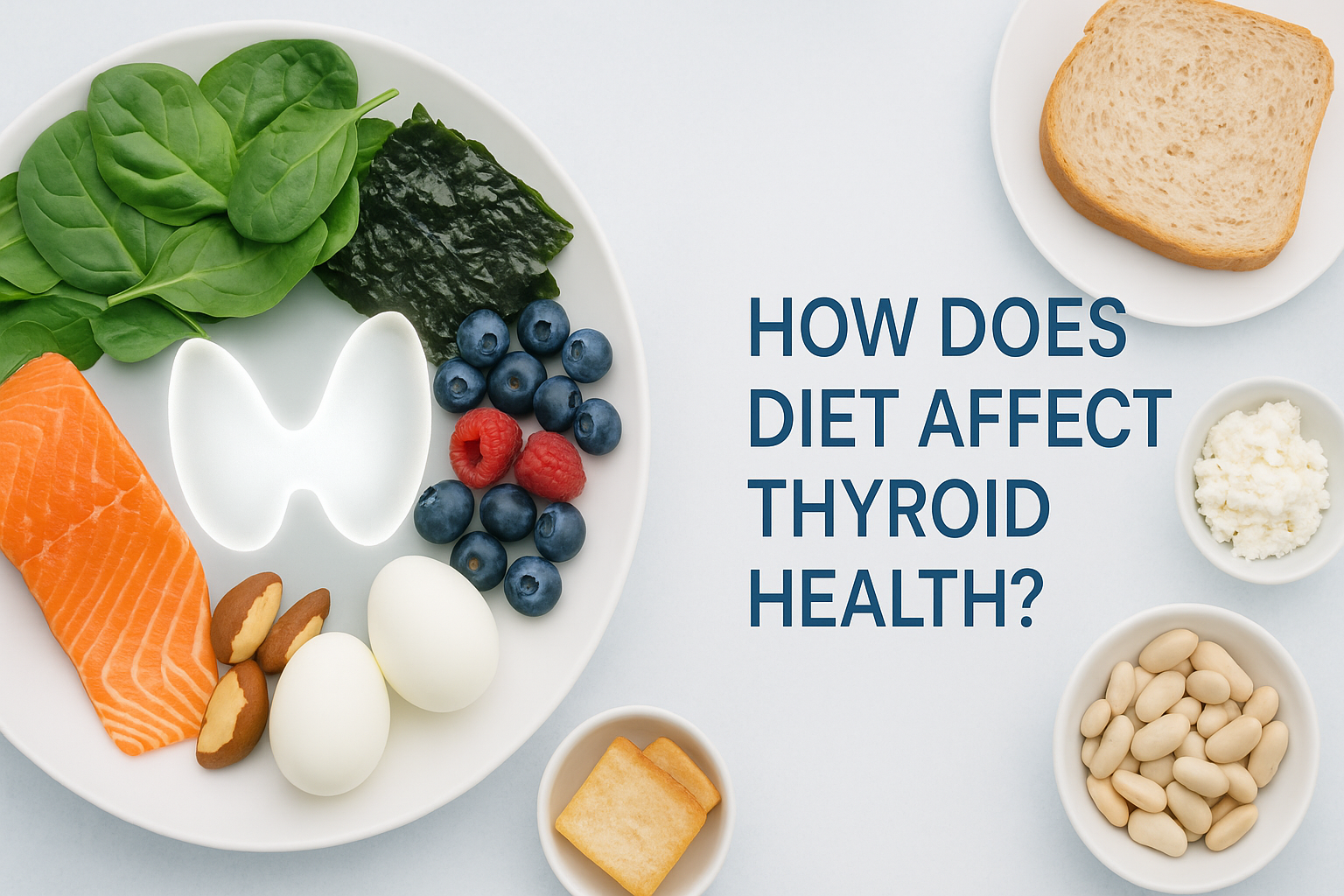
Thyroid hormone synthesis and conversion depend on specific nutrients that are commonly deficient in modern diets:
| Nutrient | Role | Common sources |
| Iodine | Required for thyroid hormone synthesis | Seaweed, seafood, iodized salt |
| Selenium | Supports T4-to-T3 conversion, reduces TPO antibodies | Brazil nuts, seafood, organ meats |
| Zinc | Required for thyroid hormone receptor binding | Oysters, red meat, pumpkin seeds |
| Iron/Ferritin | Low ferritin impairs thyroid hormone production | Red meat, liver, legumes |
| Magnesium | Involved in over 300 enzymatic reactions; deficiency common in hypothyroid patients | Dark leafy greens, nuts, seeds |
| Vitamin D | Immune regulation; low levels associated with Hashimoto's | Fatty fish, sunlight, supplementation |
Note: We test all of these markers because supplementing without testing can create imbalances — particularly with iodine, which requires selenium adequacy to be used safely.
What a Thyroid-Supportive Diet Looks Like
There is no single thyroid diet, but the common principles for patients with Hashimoto's or hypothyroidism include:
- Eliminating gluten (ideally strictly, not just "reduced")
- Trialing a dairy elimination for 8–12 weeks and monitoring symptoms
- Eating nutrient-dense whole foods with adequate protein to support hormone production and conversion
- Including selenium-rich foods regularly
- Stabilizing blood sugar (erratic blood sugar stresses the adrenal system, which impairs thyroid function)
- Minimizing processed foods, industrial seed oils, and excess sugar
- Personalizing further based on individual food sensitivity results
What does an IgG result mean?
Antibodies to foods can reflect exposure rather than a harmful reaction. A positive panel result is not a reason to label every listed food unsafe or to remove large parts of a balanced diet. If the practice discusses this testing, ask what evidence supports the proposed use and whether a better-established evaluation would answer your concern.
When is an allergist needed?
Immediate hives, lip or tongue swelling, wheezing or collapse after food can indicate allergy. Breathing difficulty or collapse is an emergency. An allergist selects testing from the reaction history; do not attempt home challenges after a serious reaction or use a sensitivity panel to exclude allergy.
Safer nutrition discussions
Review a symptom-and-food diary with a qualified clinician or dietitian. Any elimination and reintroduction approach needs a defined purpose, nutritional adequacy and a follow-up plan. Suspected celiac disease deserves its own diagnostic pathway before gluten avoidance.
What does Hashimoto’s mean?
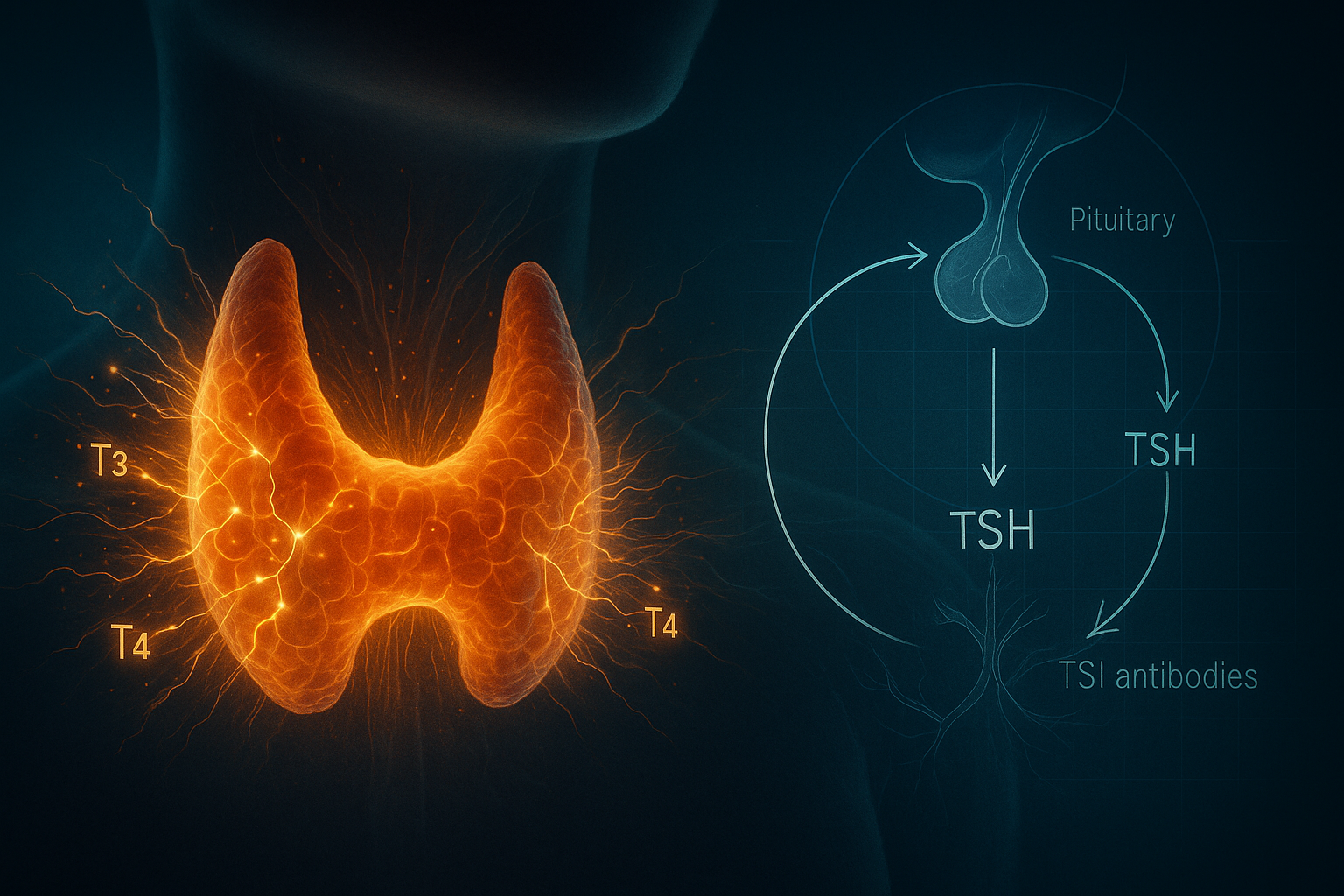
The immune system targets thyroid tissue. Some people have antibodies while their hormone levels remain in range; others develop hypothyroidism. The words Hashimoto’s and hypothyroidism are therefore related but not interchangeable. Understanding which finding is present helps patients have a clearer discussion about monitoring, medication and other possible explanations for symptoms.
Which tests answer which questions?
TSH and free T4 help assess thyroid function. Thyroid peroxidase antibodies, and sometimes thyroglobulin antibodies, can support assessment of an autoimmune cause. An antibody number is not a symptom score or a target that everyone should try to lower with supplements. Ultrasound is considered when examination or other findings suggest a structural issue, not automatically for every person with antibodies.
What can supportive care include?
Reviewing sleep, nutrition, medications, digestive symptoms and documented deficiencies can make care more comprehensive. Supportive care does not replace thyroid hormone when it is medically necessary. Wilmington Functional Medicine can discuss whether its assessment approach fits your concerns; prescribing decisions and specialist treatment remain with the appropriate licensed medical professional.
How can a food list become a practical eating plan?
Start with foods you can realistically obtain, prepare and tolerate rather than a list of supposed thyroid superfoods. Include variety across meals and discuss any medical restrictions with a qualified dietitian or clinician. The original nutrient table is educational context, not a supplement prescription or a reason to increase iodine intake. If you are taking thyroid medication, ask the pharmacist how the timing of food and supplements relates to your specific product. A sustainable eating routine is more useful than repeatedly changing diets in response to every new thyroid claim.
What should happen before a long elimination diet?
Write down the suspected reaction, its timing and whether it has occurred more than once. Immediate allergic symptoms need appropriate medical evaluation, not an experiment at home. If the concern is digestive discomfort, the clinician may suggest a different evaluation than for allergy. Ask how nutritional adequacy will be maintained, what counts as improvement and when the restriction will end or be reassessed. Removing foods indefinitely without a clear purpose can make the original question harder to answer. Testing for suspected celiac disease should be discussed before removing gluten.
Questions and answers
How can a food list become a practical eating plan?
Start with foods you can realistically obtain, prepare and tolerate rather than a list of supposed thyroid superfoods. Include variety across meals and discuss any medical restrictions with a qualified dietitian or clinician. The original nutrient table is educational context, not a supplement prescription or a reason to increase iodine intake. If you are taking thyroid medication, ask the pharmacist how the timing of food and supplements relates to your specific product. A sustainable eating routine is more useful than repeatedly changing diets in response to every new thyroid claim.
What should happen before a long elimination diet?
Write down the suspected reaction, its timing and whether it has occurred more than once. Immediate allergic symptoms need appropriate medical evaluation, not an experiment at home. If the concern is digestive discomfort, the clinician may suggest a different evaluation than for allergy. Ask how nutritional adequacy will be maintained, what counts as improvement and when the restriction will end or be reassessed. Removing foods indefinitely without a clear purpose can make the original question harder to answer. Testing for suspected celiac disease should be discussed before removing gluten.
Sources and further reading
- American Thyroid Association: Thyroid hormone treatment
- American Thyroid Association: Hashimoto’s thyroiditis
- NIDDK: Thyroid tests
- American Thyroid Association: Thyroid function tests
- NIDDK: Hashimoto’s disease
- NIDDK: Graves’ disease
- American Thyroid Association: Thyroid nodules
- Endocrine Society: Adrenal fatigue
- AAAAI: Limits of food IgG panel testing
- NIDDK: Diagnosis of celiac disease
- American Thyroid Association: Hypothyroidism during pregnancy
Educational information only, not medical advice, diagnosis or a treatment plan. Do not stop, start or change prescribed medication based on this resource. Pregnancy, children, significant heart symptoms and complex endocrine disease require appropriate medical care. Seek emergency help for chest pain, severe breathing difficulty, fainting, or high fever with confusion and a very fast heartbeat. A discovery call is not urgent medical care.