Updated 2026-10-11 · Originally published 2026-03-29
Nutritional concerns may warrant assessment, but symptoms alone do not identify a deficiency or establish that a supplement will correct hypothyroidism. Review eating patterns, medicines, relevant testing and the purpose of any proposed product with a qualified clinician. Do not increase iodine or use thyroid-containing supplements on your own, and keep necessary thyroid hormone treatment under medical supervision.
Evidence note: The original educational article below is preserved. Added guidance distinguishes established diagnostic methods from hypotheses and test limitations; original claims are not proof that a diet, infection panel or supplement causes or reverses thyroid disease.
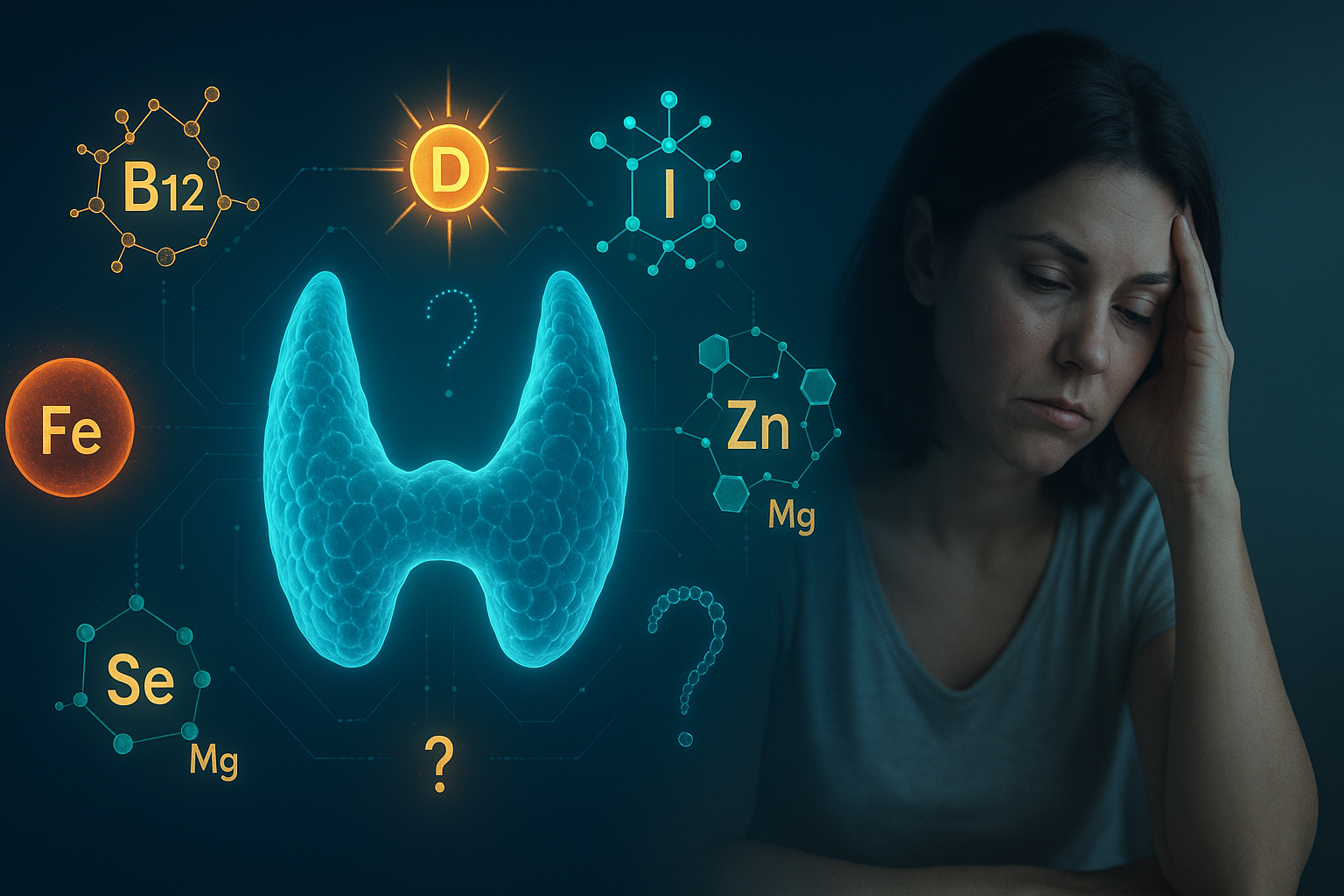
The short answer is yes. But it’s important to understand the basic mechanisms of these vital nutrients because then you’ll know WHY it’s so critical to the health of your thyroid.
B VITAMINS
B vitamins serve as essential cofactors in the biochemical pathways that govern thyroid hormone production, regulation, and cellular energy utilization. Vitamin B12 (cobalamin) is particularly critical because its deficiency is highly prevalent in patients with autoimmune thyroid disorders like Hashimoto’s thyroiditis because B12 is necessary for the efficient conversion of the inactive hormone T4 into the active form T3.
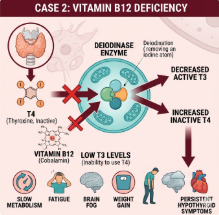
When B12 levels are low, patients frequently experience a worsening of classic hypothyroid symptoms—such as extreme fatigue, memory impairment, and "brain fog"—which may persist even after their thyroid hormone levels have been stabilized with medication.
Thiamine (vitamin B1) plays an equally vital role by acting as a "missing link" in mitochondrial energy production, where it helps convert nutrients into ATP, the body's primary energy currency. Many individuals with Hashimoto’s suffer from chronic, debilitating fatigue that does not fully resolve with standard levothyroxine treatment; clinical reports have shown that high-dose thiamine supplementation can significantly reduce or even eliminate this fatigue within days.
Both vitamin B12 and vitamin B1 (thiamine) deficiencies are often exacerbated by the low stomach acid common in hypothyroid patients, which hinders B vitamin absorption and can lead to a cycle of poor metabolic function and further thyroid atrophy.
Together with other B vitamins like B2 (riboflavin), which is a cofactor for thyroid peroxidase, and B6, which assists in iodine utilization, B12 and thiamine form a necessary foundation for maintaining both the hormonal output of the thyroid gland and the cellular energy required to feel well.
The question is: Is your Doctor testing you for your B vitamin levels?
IRON & FERRITIN
Just as Vitamin B12 acts as an essential cofactor for thyroid hormone conversion, iron and its storage form, ferritin, are foundational to nearly every stage of thyroid function. Iron is a primary component of thyroid peroxidase (TPO), the heme-containing enzyme responsible for synthesizing thyroid hormones within the gland. When iron or ferritin levels are low, TPO activity is compromised, directly blunting the production of thyroxine (T4) and triiodothyronine (T3). Beyond synthesis, iron is required for the peripheral conversion of inactive T4 into active T3—the process shown in the image below—where a deficiency can leave a patient with "normal" T4 levels but insufficient active T3 to support a healthy metabolism.
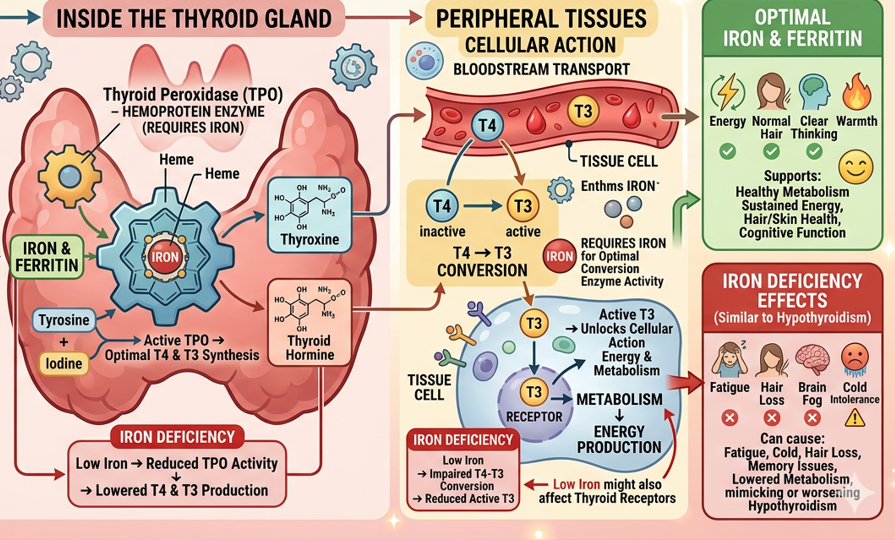
Deficiencies in iron and ferritin can cause or mimic hypothyroidism because they interfere with both the synthesis and cellular utilization of thyroid hormones. Low iron levels can reduce the sensitivity of thyroid receptors, preventing the active hormone from effectively "unlocking" cells to produce energy. This creates a "vicious cycle" where hypothyroidism leads to low stomach acid and poor nutrient absorption, further depleting iron stores. Clinical studies have shown that for some patients, correcting a ferritin deficiency—often aiming for optimal levels near 100 ng/mL rather than just the "normal" lab minimum—can be the key to resolving persistent hypothyroid symptoms like extreme fatigue, hair loss, and brain fog.
The question is: Is your Doctor testing you for your iron AND ferritin levels?
VITAMIN D
Vitamin D deficiency is a major risk factor for the development and progression of autoimmune conditions like Hashimoto's thyroiditis. As an immune modulator, vitamin D helps maintain the balance between pro-inflammatory (Th17) and regulatory (Treg) T cells; when levels are deficient, this balance is disrupted, often leading to increased anti-thyroid antibody titers (such as anti-TPO) and an accelerated autoimmune attack on thyroid tissue.
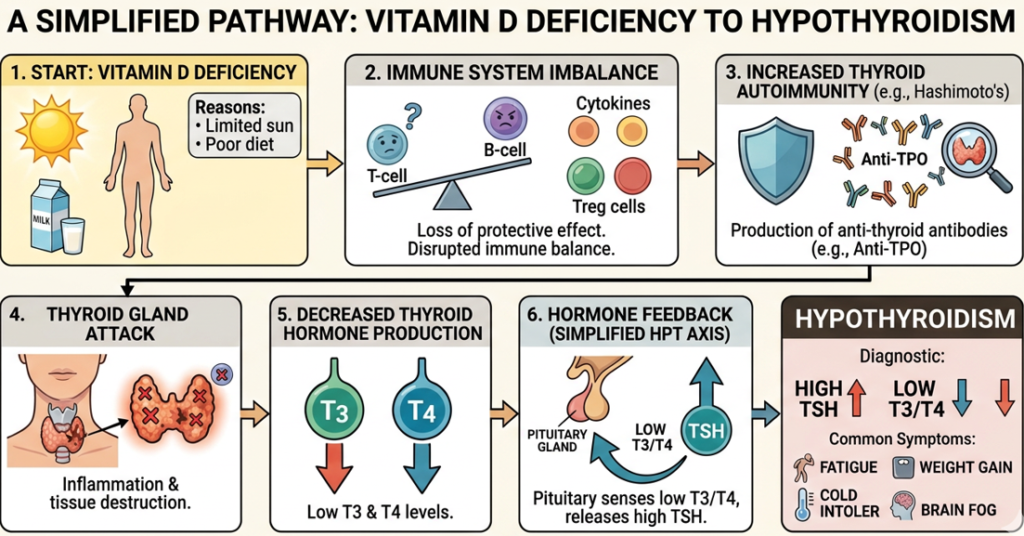
Studies consistently show lower vitamin D levels are associated with higher TSH and more severe thyroid dysfunction. This relationship may be further complicated by a "vicious cycle" where hypothyroidism itself impairs the body's ability to absorb and effectively activate vitamin D, exacerbating the deficiency.
Clinical research indicates that correcting a vitamin D deficiency through supplementation can significantly reduce antibody levels and improve TSH concentrations, although it may not always directly alter T3 and T4 levels. Maintaining adequate levels is also crucial for overall symptom management, as low vitamin D can worsen common hypothyroid complaints like fatigue, brain fog, and bone density issues.
The question is: Is your Doctor testing you for your vitamin D levels AND are you taking the best, most-absorbable form of vitamin D?
IODINE
Iodine is an essential trace mineral that serves as the fundamental building block for thyroid hormones, as it is a key component of both thyroxine (T4) and triiodothyronine (T3). These hormones are vital throughout life for regulating metabolism, energy conversion, and normal growth, particularly in brain development. Because the body cannot produce its own iodine, it must be obtained through dietary sources like seafood, dairy, or iodized salt. Without sufficient intake, the thyroid gland lacks the necessary raw materials to synthesize adequate levels of T4 and T3, leading directly to hypothyroidism.
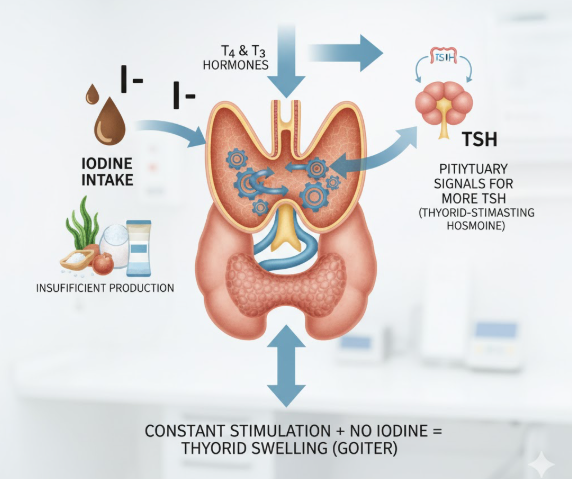
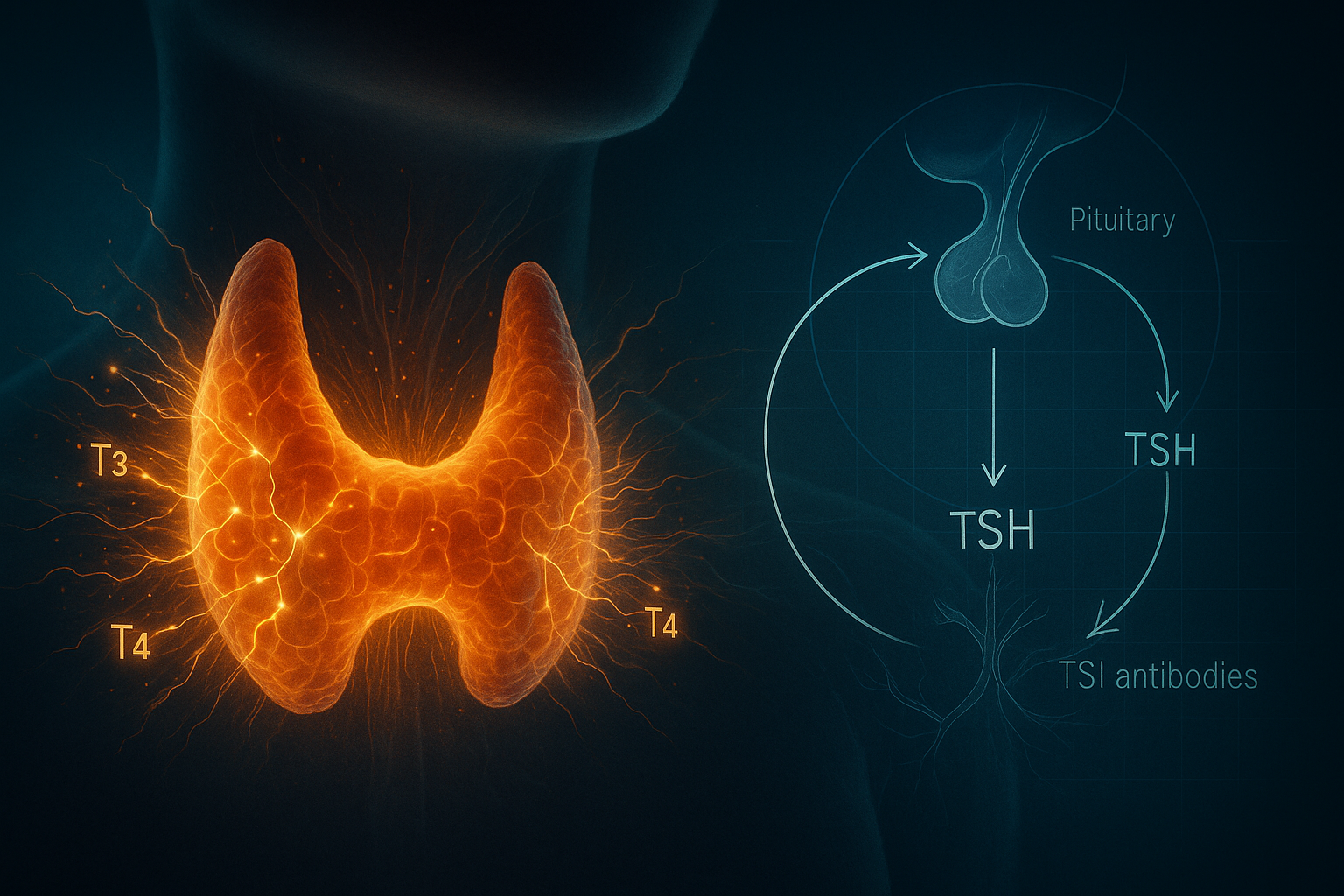
Iodine deficiency leads to hypothyroidism through a compensatory mechanism triggered by the hypothalamic-pituitary-thyroid (HPT) axis. When the pituitary gland detects low circulating thyroid hormones, it increases the secretion of thyroid-stimulating hormone (TSH) to force the thyroid to work harder and trap more iodine. This persistent TSH stimulation can cause the gland to enlarge, a condition known as goiter, as it attempts to maximize its limited resources. In severe or chronic cases, this adaptation fails to maintain hormone levels, resulting in an underactive thyroid and widespread symptoms like extreme fatigue, weight gain, cold intolerance, and cognitive impairment.
The question is: Is your Doctor testing you for your iodine levels?
MINERALS (SELENIUM, MAGNESIUM, ZINC)
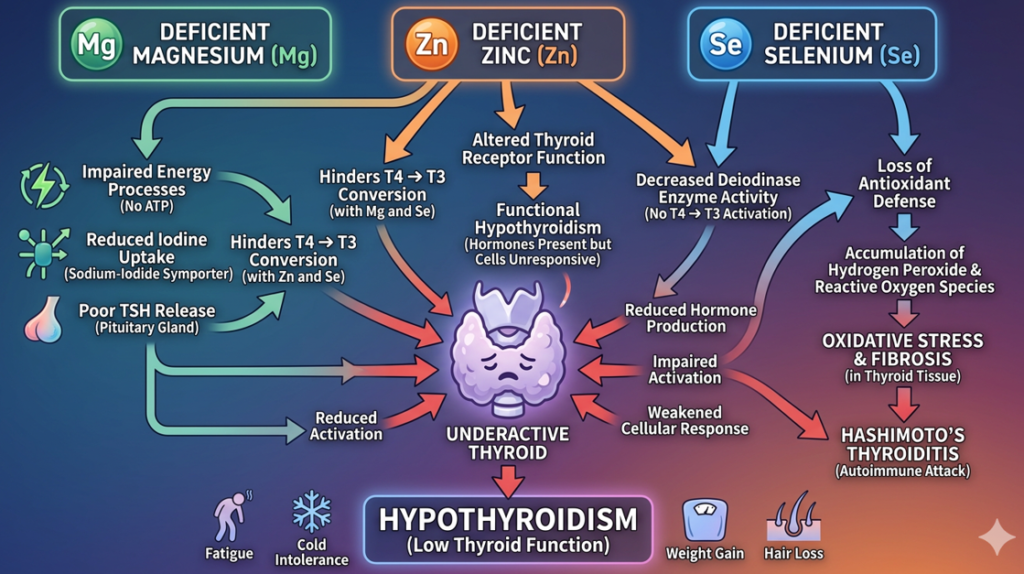
Deficiencies in magnesium, zinc, and selenium significantly impair thyroid function by disrupting hormone synthesis, activation, and cellular response, often exacerbating or potentially leading to hypothyroidism. Both magnesium and zinc are essential for the conversion of the inactive storage hormone thyroxine (T4) into the biologically active triiodothyronine (T3). Without adequate magnesium, the body may struggle to maintain energy-dependent processes like iodine uptake through the sodium-iodide symporter, and the pituitary gland's ability to release thyroid-stimulating hormone (TSH) may be compromised. Zinc deficiency not only hinders T4-to-T3 conversion but can also prevent thyroid receptors in cells from responding correctly to the hormones, leading to a state of "functional hypothyroidism" where hormone levels might appear normal on tests while the patient still experiences symptoms like fatigue and hair loss.
Selenium deficiency is particularly critical because the thyroid gland contains the highest concentration of selenium in the human body, where it is required for antioxidant defense and the function of deiodinase enzymes that activate thyroid hormones. A lack of selenium can lead to an accumulation of hydrogen peroxide and other reactive oxygen species during hormone production, causing oxidative damage and fibrosis in thyroid tissue. This oxidative stress is a known risk factor for autoimmune conditions like Hashimoto's thyroiditis, where the immune system attacks the thyroid gland. Furthermore, there is often a "cycle of deficiency" in hypothyroidism; for instance, hypothyroid patients often have low stomach acid that impairs the absorption of these minerals, while the lack of thyroid hormones themselves can lead to increased excretion of magnesium.
The question is: Is your Doctor testing you for your mineral levels like Selenium, Magnesium, Zinc?
If I had to guess, the answers to most, if not all of the questions I posed above, is no.
See, to reclaim your thyroid gland and your overall health, understanding these mechanisms and getting tested to see which of them are involved with your Hashimoto’s hypothyroidism, are critical.
- This requires comprehensive testing that your insurance company doesn’t want to pay for
- This requires an understanding of the testing and how to address these imbalances from a natural, diet & lifestyle perspective
- And finally, and this is important, this requires working with a Doctor who is not interested in masking the problem with a drug (levothyroxine, synthroid, armour thyroid, NP thyroid) because that’s what the insurance company says or what they’ll pay for.
Then for years, you might be on this medication that is “masking” the problem but not addressing the real cause(s).
And that’s where I come in.
I offer a free, 15-30 minute phone call consultation (a Discovery Call) to determine if you're a good fit for my office and to have any of your questions answered. From there we can discuss what tests you need (that your Doctor has ignored) and get some answers. Click here to take advantage of this offer - schedule that free call and start your journey to finally fixing your issue.
Don't suffer with thyroid problems / Hashimoto’s any longer. Let's find out what’s causing your hypothyroidism, and stop masking the problem - let's finally solve it!
TSH and free T4
TSH reflects the pituitary signal to the thyroid; free T4 helps assess circulating hormone. A clinician interprets the pair with symptoms, medication, pregnancy status and relevant history. Results after acute illness or a recent medication change may need different interpretation.
T3, antibodies and reverse T3
T3 is often more helpful in evaluating hyperthyroidism than diagnosing hypothyroidism. TPO or thyroglobulin antibodies may support evaluation of autoimmune thyroid disease; TSH-receptor antibodies address different questions. Reverse T3 is not routinely useful for diagnosing hypothyroidism or guiding replacement treatment in otherwise healthy outpatients. Availability does not establish clinical necessity.
Preparation and follow-up
Provide a complete medicine and supplement list, including biotin. Ask the ordering clinician whether fasting, dose timing or a temporary supplement pause is necessary for your specific test. Do not independently stop medication. Discuss what each proposed test would change, costs and who will explain the results.
How is an underactive thyroid evaluated?
TSH is commonly the initial test, interpreted with free T4 when indicated. A raised TSH with low free T4 differs from a raised TSH with free T4 still in range. Pregnancy, pituitary disease, recent illness and medication use can change interpretation. Bring the actual reports, units and reference ranges rather than a recollection that a result was normal.
Does everyone need the same medication?
Levothyroxine is the usual hormone replacement for established hypothyroidism. The prescribing clinician determines whether treatment is indicated, the dose and follow-up. Persistent symptoms warrant a careful review, not unsupervised dose escalation. This practice resource is not an offer of prescribing or a substitute for medication monitoring.
What if symptoms persist?
A review can consider medication administration, supplements, sleep quality, anemia, mood, menopausal symptoms and other explanations. More tests are not automatically better. A useful test answers a specific question and has a realistic next step if the result is abnormal.
Questions and answers
What should I know about tsh and free t4?
TSH reflects the pituitary signal to the thyroid; free T4 helps assess circulating hormone. A clinician interprets the pair with symptoms, medication, pregnancy status and relevant history. Results after acute illness or a recent medication change may need different interpretation.
What should I know about t3, antibodies and reverse t3?
T3 is often more helpful in evaluating hyperthyroidism than diagnosing hypothyroidism. TPO or thyroglobulin antibodies may support evaluation of autoimmune thyroid disease; TSH-receptor antibodies address different questions. Reverse T3 is not routinely useful for diagnosing hypothyroidism or guiding replacement treatment in otherwise healthy outpatients. Availability does not establish clinical necessity.
Sources and further reading
- American Thyroid Association: Thyroid hormone treatment
- American Thyroid Association: Hashimoto’s thyroiditis
- NIDDK: Thyroid tests
- American Thyroid Association: Thyroid function tests
- NIDDK: Hashimoto’s disease
- NIDDK: Graves’ disease
- American Thyroid Association: Thyroid nodules
- Endocrine Society: Adrenal fatigue
- AAAAI: Limits of food IgG panel testing
- NIDDK: Diagnosis of celiac disease
- American Thyroid Association: Hypothyroidism during pregnancy
Educational information only, not medical advice, diagnosis or a treatment plan. Do not stop, start or change prescribed medication based on this resource. Pregnancy, children, significant heart symptoms and complex endocrine disease require appropriate medical care. Seek emergency help for chest pain, severe breathing difficulty, fainting, or high fever with confusion and a very fast heartbeat. A discovery call is not urgent medical care.